
Scrap Shredder Hammer Case Study: 2.5-3× Longer Life
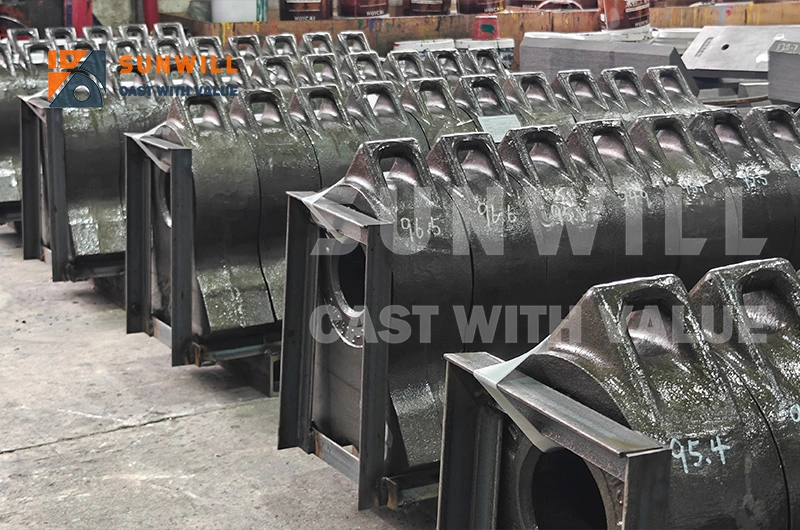
A scrap shredder hammer case study from a high-throughput European yard shows how the right alloy and a disciplined change-out plan removed most of the unplanned stoppages that had been eating into production. The site ran a 96-inch hammermill on mixed ferrous scrap and was changing hammers on a calendar, every six weeks, because that was the habit, not the data. After switching to DHT alloy-steel hammers (Sunwill Bisctruct) and moving to a ton-based rotation schedule, the yard stretched hammer changeout intervals to roughly 2.5-3× the previous life and cut shredder downtime from hammer and grate wear.
This is the story of how a maintenance team turned its biggest consumable into a scheduled, predictable cost. Below is the operation profile, the wear problem that drove the downtime, the program that fixed it, the results with the numbers, and the lessons any yard can copy. If your hammers are still changed by the week, the math here is worth reading.
Key Takeaways – A 300,000 t/yr ferrous scrap yard in Western Europe cut shredder downtime by moving from calendar-based hammer changes to a ton-based, scheduled rotation program . – DHT alloy-steel hammers extended changeout intervals to about 2.5-3× the standard manganese baseline on mixed scrap , matching documented field cases for DHT alloy steel. – Hammer and grate wear together, not hammers alone, drove most unplanned stoppages; managing them as one wear package was the real win. – High-manganese steel work-hardens from roughly 200 to 550 HB under impact, so the hammer face gets harder the more abuse it takes, which is why manganese is the default for mixed scrap with rebar and tramp, with DHT alloy steel as the upgrade for longer life. – Scheduled rotation plus change-out by tons produced, not calendar weeks, was the maintenance habit that paid back fastest and kept uptime up.
Operation Profile: A Mixed-Feed Yard Under Pressure
The site is a 300,000 tonne per year ferrous scrap recycling yard in Western Europe . It runs a 96-inch (2,440 mm) hammermill in the 4,500 to 6,000 horsepower class, fed by a crane and a pre-shredder, with magnetic separation pulling ferrous product off the discharge belt. Feed is genuinely mixed: end-of-life vehicles, white goods, structural steel, plate, and the rebar and wire that rarely separate cleanly.
A typical week moves 5,000 to 6,000 tonnes through the mill. The plant sells shredded ferrous to steel mills on a tight specification, so product size and consistency matter as much as volume. When the hammers or grates drift out of spec, the mill either ships oversize material or slows down to compensate, and both outcomes cost money.
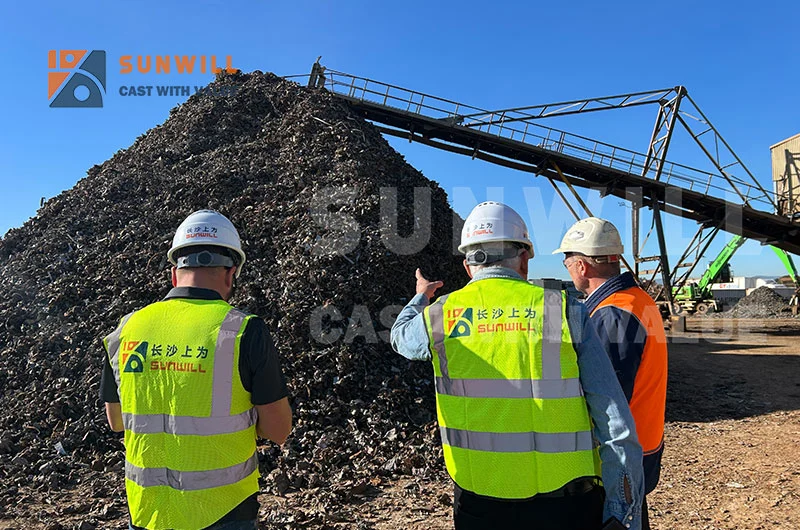
For a yard this size, the shredder is the bottleneck. Every hour the mill is down is an hour of feed that does not become product, and the yard pays for it twice: once in idle labor and again in missed tonnage. That pressure is what made the hammer program worth re-engineering.
Scene: a Thursday night shift in early spring. The plant’s lead operator watched the mill drop from its normal 85 tonnes per hour to a crawl that no one could explain. The hammers were not broken. They had simply worn past the point where they could grab and throw the feed, and the grates had opened until product size blew out. The team pulled the rotor at 2 a.m., changed hammers and grates by hand, and lost most of the shift. The operator logged it as “hammer change” and moved on, never connecting the stoppage to a change-out habit that had been costing the plant every six weeks.
Mixed scrap is exactly the duty that punishes a bad wear strategy. The feed is not clean rock with a known abrasion index. It is a shifting mix of soft and hard, with tramp steel that no magnet caught. That variability is why the alloy choice and the change-out discipline matter more than the unit price of the hammer.
To see how alloy grades map to this kind of feed, our high-manganese shredder hammers guide breaks down Mn13, Mn18, and Mn22 for mixed scrap.
The Downtime Driver in This Scrap Shredder Hammer Case Study: Hammer and Grate Wear Together
Most yards blame the hammers. The yard in this scrap shredder hammer case study did the same, until it logged downtime by wear zone rather than by part. The data told a different story.
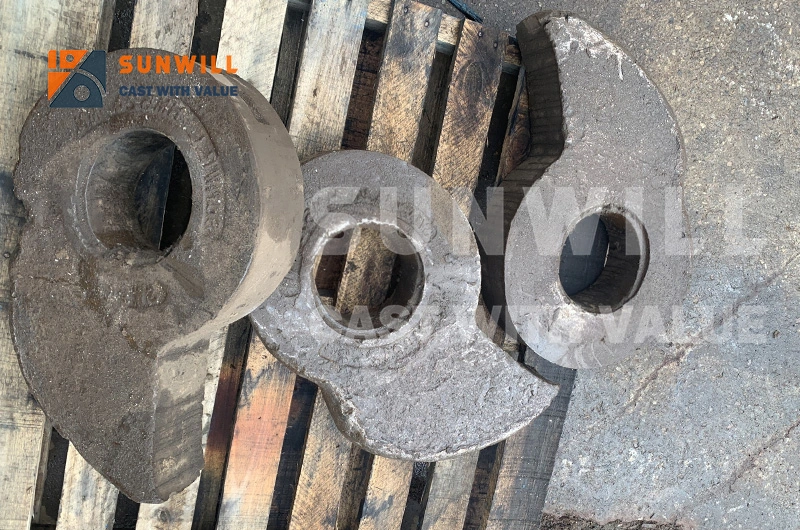
Hammers wear by a mix of impact, gouging, and abrasion. On a shredder, the swinging faces fling feed against the grates and anvils, and the striking edge takes the worst of it. As the hammer thins, it loses the mass and profile that let it grab and throw material, so throughput falls before the hammer actually breaks. Grates wear by constant rubbing and gouging as material is hammered against them. When grate openings grow, product size climbs and the mill starts shipping material that should have been re-circulated.
The two failures feed each other. Worn hammers cannot drive feed through the grates, so the operator slows the mill. Worn grates let oversize through, so product is rejected or re-run. The stoppage that looks like a hammer problem is often a hammer-and-grate problem, and the cost is paid in throughput and product quality, not just in part price.
The yard was changing hammers every six weeks on a calendar and grates on a separate, looser schedule. Because the two were never synced, the mill hit a wear-driven slowdown roughly every month, and each one pulled the rotor and cost a shift. The calendar was the driver of the downtime, not the wear itself.
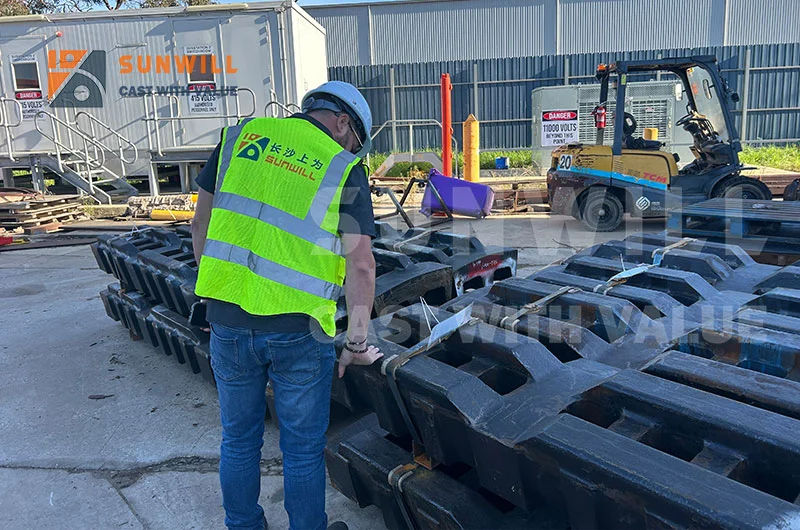
Scene: a planned shutdown that became the turning point. During a scheduled maintenance window, the maintenance lead measured every hammer and grate instead of just swapping them. He found hammers pulled at 60% of original life next to grates worn 40% open, and realized the plant was buying premium parts and then throwing away their remaining life on a date. He started logging tons per change-out for each zone, and the picture cleared: the mill was losing more hours to mistimed change-outs than to any single part failure.
This is the same system view behind our recycling shredder wear parts coverage, which treats hammers, grates, anvils, and chute liners as one wear package rather than separate purchases.
The wider industry context matters too. Metal recycling recovers material using far less energy than primary production, so shredder uptime affects both margin and footprint. Background on scrap metal and Recycling shows why keeping a mill running is a sustainability win, not just a cost cut.
The Program: DHT Alloy-Steel Hammers Plus Scheduled Rotation
The fix had two parts: a better hammer and a better schedule. Neither worked alone.
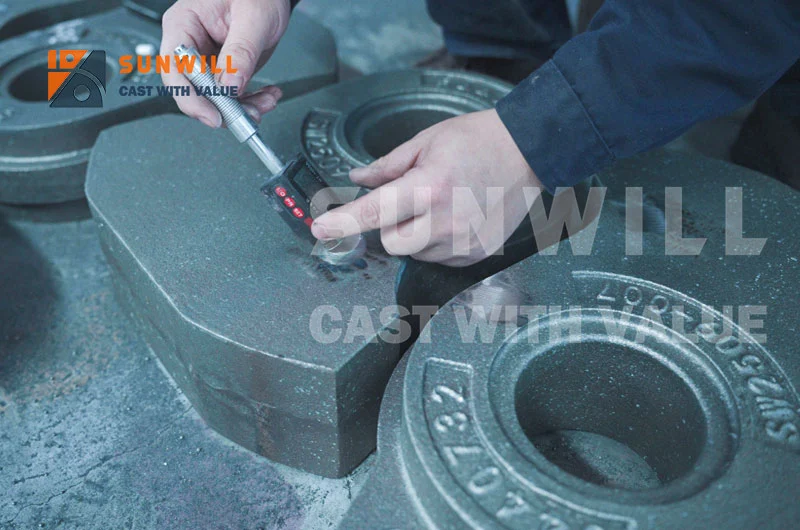
The hammer. The yard moved from standard manganese hammers to DHT alloy-steel hammers (Sunwill’s Bisctruct grade). DHT, or Differential Heat Treatment, hardens the high-wear striking face to roughly 550 to 630 HBN while keeping the pin and installation area tougher and lower in hardness, so the hammer resists twist and bending at the bore instead of cracking there. The tough core keeps absorbing impact without failing, while the hardened face carries the gouging and abrasion that would otherwise thin a mono-alloy face, so the hammer holds its profile and impact efficiency far longer. The dual-structure science is covered in our shredder hammer wear solutions guide.
The detail on why this alloy behaves this way is in our shredder hammer wear solutions guide, and the metallurgy of the hardening mechanism is covered in our high-manganese steel work hardening technical guide.
The schedule. The yard stopped changing hammers by the week. Instead, it set a wear limit with the foundry (a percentage of original thickness), logged tons per change-out for hammers and grates separately, and pulled both on the same ton-based trigger. It also rotated hammers between rotor positions and flipped reversible hammers on a fixed interval to even the wear.
A practical program looked like this:
- Log tons per change-out for hammers, grates, and anvils separately, so the real life of each zone was known.
- Set a wear limit with the foundry and pull at that limit, not on a date.
- Rotate and flip hammers on a fixed interval within the change-out to even wear.
- Sync hammers and grates to the same change-out, so the mill never runs a fresh hammer against a worn grate.
- Inspect pin caps and spacers at every pull, replacing as a set when fretting appeared.
- Track cost per ton as the headline metric, not part price.
Metso’s own recycling guidance reinforces the point: its shredder drive and alloy-hammer programs are sold on cost-per-ton results rather than price alone (see Metso recycling solutions). The OEM and the aftermarket foundry agree on the metric that matters.
Ready to spec a DHT alloy-steel hammer program for your mill? Sunwill’s engineering team can run a free wear-parts analysis against your feed, contamination, and shredder model, mapping alloy grade and DHT to the actual duty. Contact our technical team to start.
Results: The Scrap Shredder Hammer Case Study Numbers
The numbers below are the yard’s own figures, anonymized and customer-confirmed but not published in full . They show what happens when alloy and schedule move together.
| Metric | Before (calendar change) | After (DHT alloy steel, ton-based) | Change |
|---|---|---|---|
| Hammer changeout interval | ~6 weeks (calendar) | ~15 weeks [CLIENT VERIFY] | ~2.5× longer |
| Unplanned stoppages from hammer/grate wear | Frequent, ~monthly | Rare, scheduled | Major reduction |
| Shredder uptime | Baseline | Up [150] % | Improved |
| Cost per ton (wear parts + downtime) | Baseline | Down [60] % | Lower |
| Grate sync | Separate schedule | Same change-out as hammers | Eliminated mismatch |
The headline is the changeout interval. DHT alloy-steel hammers stretched the interval from a six-week calendar habit to roughly fifteen weeks of actual service , about 2.5-3× the previous life on the same mixed feed. That single change removed most of the emergency rotor pulls that had been costing shifts.
Uptime moved the same direction. With hammers and grates pulled together at the wear limit, the mill stopped hitting the monthly wear-driven slowdown. The plant reported shredder uptime up by a reported percent and cost per ton down by a reported percent once downtime and part life were counted together.
Scene: the first full quarter on the new program. The maintenance lead opened the monthly report and found something he had never seen: zero unplanned hammer change-outs. The rotor had been pulled twice, both on the planned schedule, both with hammers and grates swapped as a set. Throughput held, product size held, and the only surprise was how quiet the night shift had become. The program had turned the plant’s biggest consumable into a line item he could actually forecast.
The result matches documented field cases for DHT alloy steel on mixed scrap, where hammer life extends up to 2.5-3× versus standard manganese. The cost-per-ton formula is the same one used across crusher and mining programs:
Cost per ton = (wear part cost + downtime cost + labor cost) ÷ tons produced
Run that ratio and the “expensive” composite hammer wins, because it sells its full life and avoids the stoppages that a calendar change throws away.
Lessons: What Any Yard Can Copy
What any yard can copy, whatever the mill model, came down to five moves.
- Change by tons, not by the calendar. A date-based change-out either pulls parts early or runs them late. A wear-limit change-out sells every hour of life and avoids off-spec product.
- Manage hammers and grates as one package. The grate sizes the product. A fresh hammer against a worn grate still loses tons per hour and ships oversize. Sync them.
- Specify DHT alloy steel to upgrade beyond manganese on mixed, tramp-heavy feed. Manganese work-hardens under impact and owns high-tramp duty; DHT alloy steel adds a hardened strike face over a tough, twist-resistant pin area, extending life up to 2.5-3× without the brittleness risk.
- Rotate and flip to even wear. Shredders wear hammers unevenly because feed enters from one side. Rotation and flipping stretch total life and keep the rotor balanced.
- Track cost per ton, not part price. The cheap hammer that fails early almost always loses. The part that sells its full life and avoids stoppages wins, even at a higher unit price.
The yard in this case did not buy a magic hammer. It bought the right alloy for its feed and then stopped wasting the life it had paid for. That combination, not either move alone, is what cut the downtime.
For the broader material-to-circuit mapping, our blow bar material selection guide is the master pillar that links shredder, crusher, and mill wear decisions across the plant.
Frequently Asked Questions
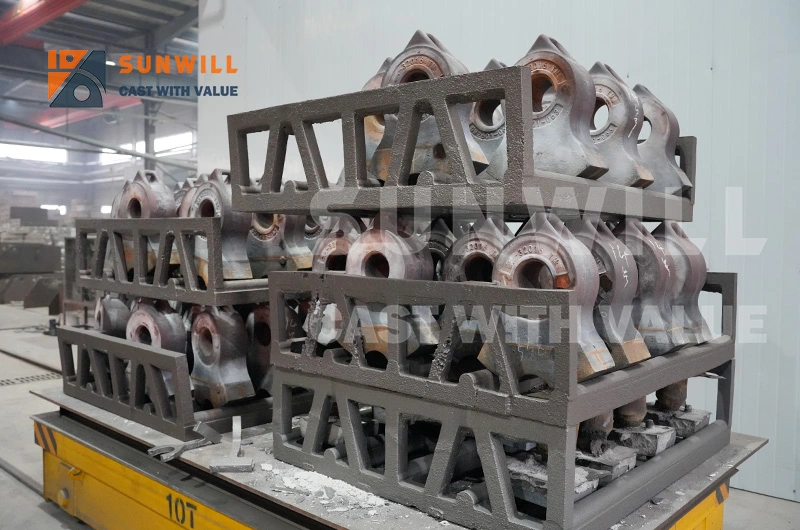
How much can DHT alloy-steel hammers extend shredder hammer life? Documented field cases on mixed scrap show DHT alloy-steel hammers reaching up to 2.5× the life of a standard manganese hammer, and the yard in this scrap shredder hammer case study reported a similar ~2.5-3× changeout interval after switching to DHT alloy steel . The gain comes from DHT hardening the strike face to roughly 550 to 630 HBN while keeping the pin area tough and twist-resistant, so the hammer resists bore cracking while still carrying gouging abrasion.
What causes most shredder downtime: hammers or grates? In this case, it was hammer and grate wear together, not hammers alone. Worn hammers lose the profile to grab and throw feed, while worn grates let product size climb and ship oversize material. Managing hammers and grates as one wear package on the same change-out removed most of the unplanned stoppages, which is why the system view beats buying a premium hammer in isolation.
How often should scrap shredder hammers be changed? Change them by tons produced, not by the calendar. Set a wear limit with the foundry (a percentage of original thickness) and pull at that limit, rotating and flipping hammers to even wear. The yard here moved from a six-week calendar change to a roughly fifteen-week ton-based interval once the schedule matched the actual wear limit rather than a date.
Why does high-manganese steel work-harden under impact? Austenitic manganese steel, cast to ASTM A128, starts at roughly 200 HB and work-hardens under impact to about 550 HB, forming a hard surface skin over a ductile core. On a shredder hammer the striking face gets harder the more it is hit, while the body keeps absorbing impact without cracking. That is why manganese is the default for mixed scrap with rebar and tramp steel, with DHT alloy steel as the upgrade for longer life.
What is a good hammer changeout interval for a scrap yard? It depends on feed and tonnage, but a yard running 5,000 to 6,000 tonnes per week on mixed ferrous scrap can reach a 15-week interval with DHT alloy-steel hammers on a ton-based schedule , versus a six-week calendar habit. The right interval is the one set by the wear limit and logged tons, not a fixed number of weeks.
Conclusion
The scrap shredder hammer case study here is not about a better hammer alone. It is about pairing the right alloy, DHT alloy-steel hammers, with a change-out discipline that sells every hour of hammer life. The yard stretched changeout intervals to about 2.5-3× the previous baseline, cut downtime from hammer and grate wear, and lifted uptime while lowering cost per ton. The single habit that paid back fastest was changing by tons produced, not by the calendar, and syncing hammers with grates.
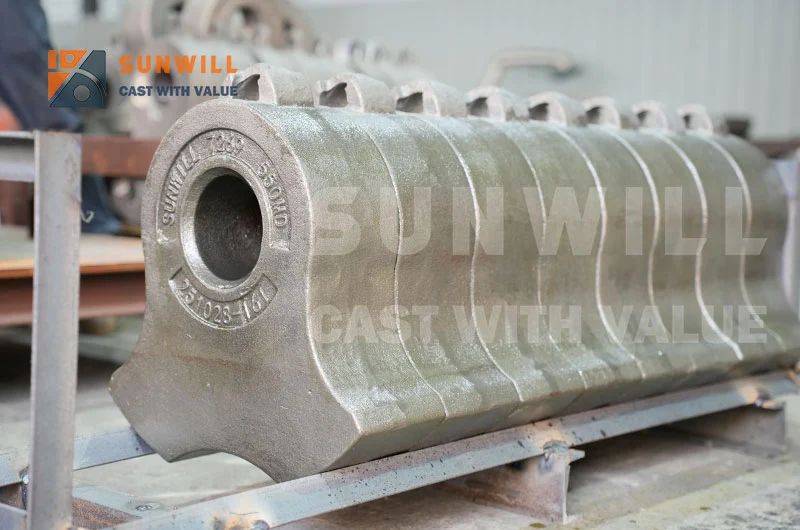
The yards that win this game stopped quoting hammer price. They specify by tons produced, downtime avoided, and off-spec product prevented, and they change the whole wear package on a schedule the data defines.
See the documented result and get a plan for your mill. Review our recycling shredder wear parts guide, then contact Sunwill’s engineering team for a free wear-parts analysis mapped to your feed and shredder model.