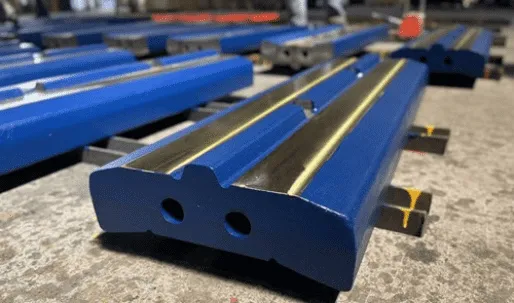
In the high-stakes environment of a copper mine, downtime is the enemy of profitability. When processing abrasive ore through massive SAG feed chutes, wear liners are the frontline defense against destruction. Yet, standard solutions often fall short, leading to constant maintenance cycles and soaring operational costs.
The Challenge: Fighting Extreme Abrasion in South Australia
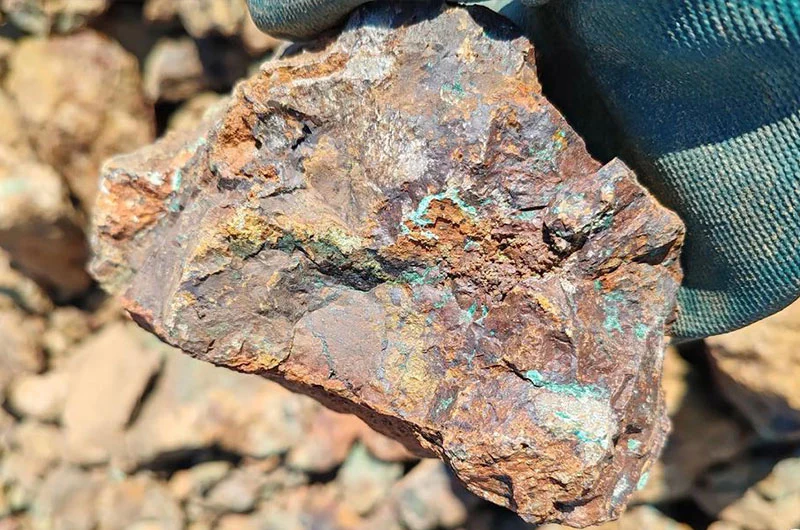
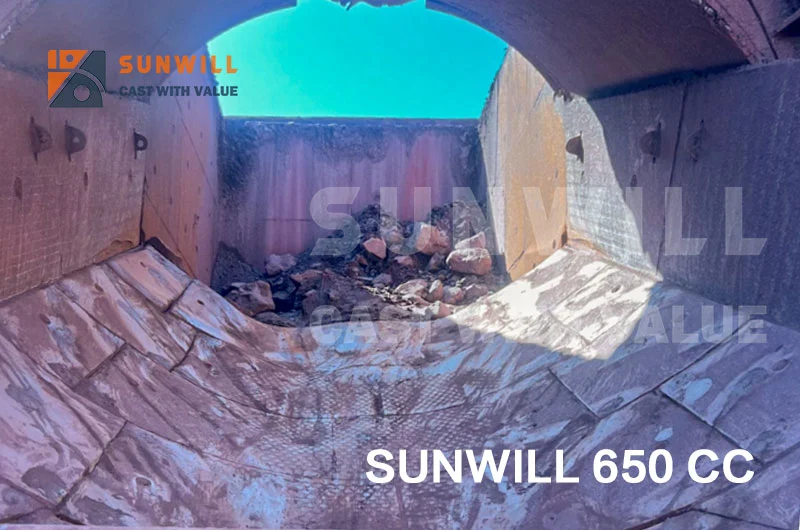
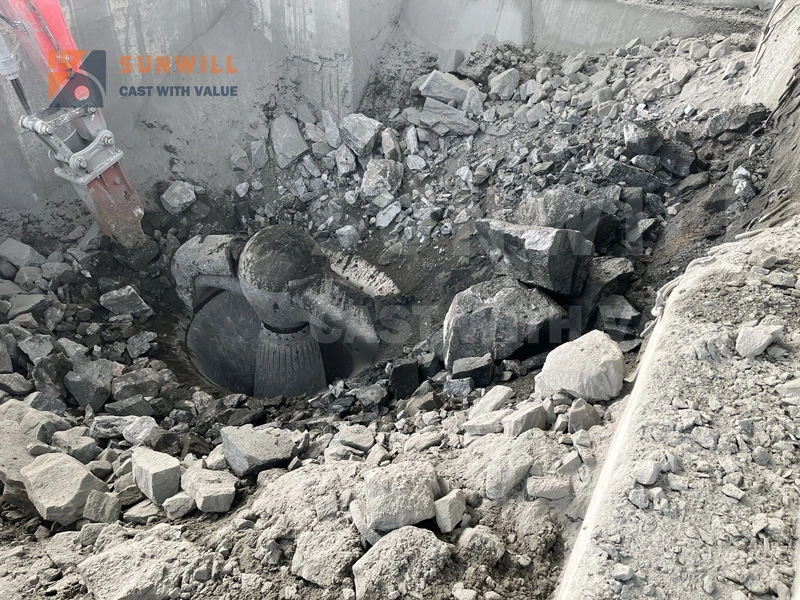
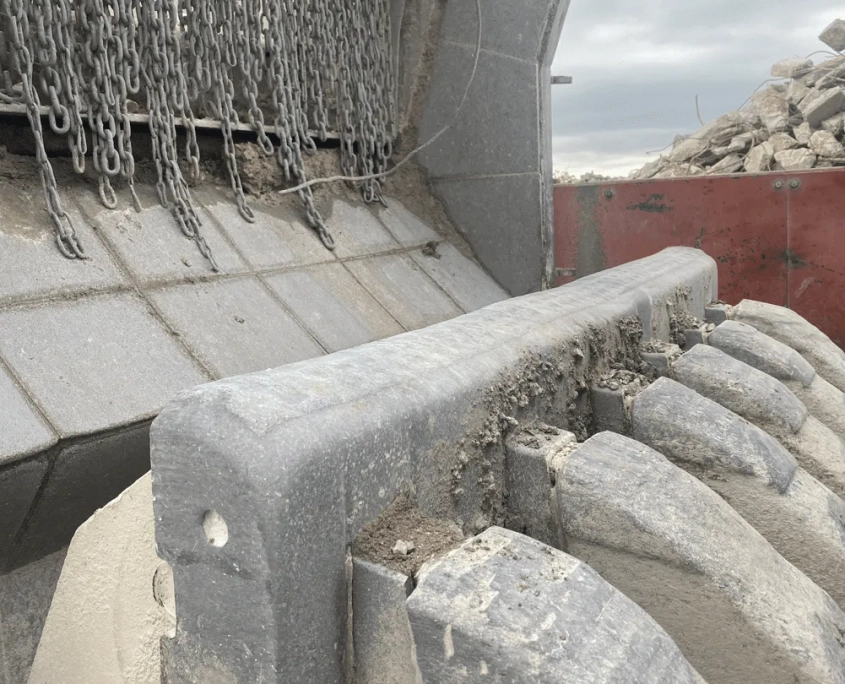
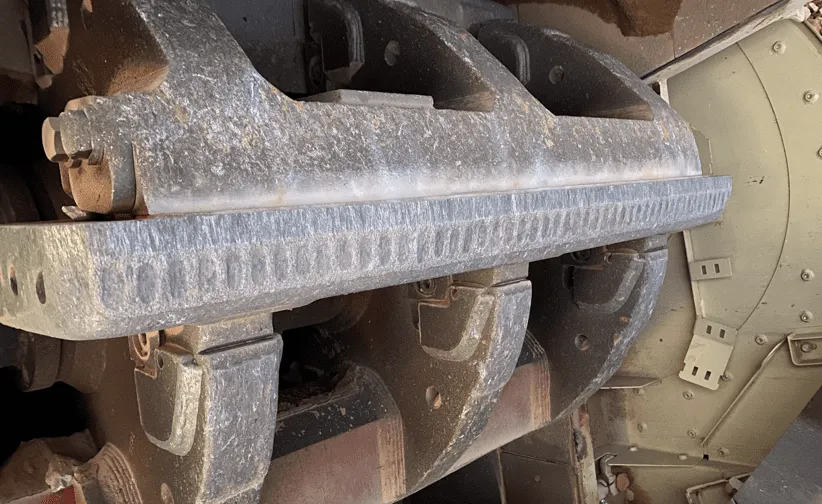
At a major copper mine in South Australia, the Svedala SAG Feed Chute (Ø2500 x 3270 mm) was a recurring pain point. Previously, the mine utilized standard High Chrome (26% Cr) liners, but the relentless flow of abrasive copper ore led to rapid deterioration. The service life was stuck at a mere 5.5 to 6 months.
The SUNWILL Solution: 650CC Ceramic Composite Technology
To break this cycle, the mine transitioned to SUNWILL 650CC High Chrome with Ceramic Inserts starting in 2020. This wasn’t just a replacement; it was a technological upgrade.
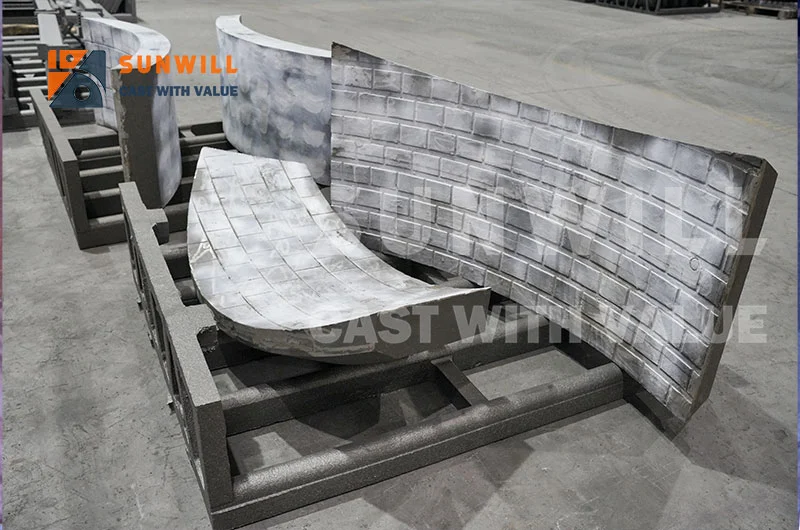
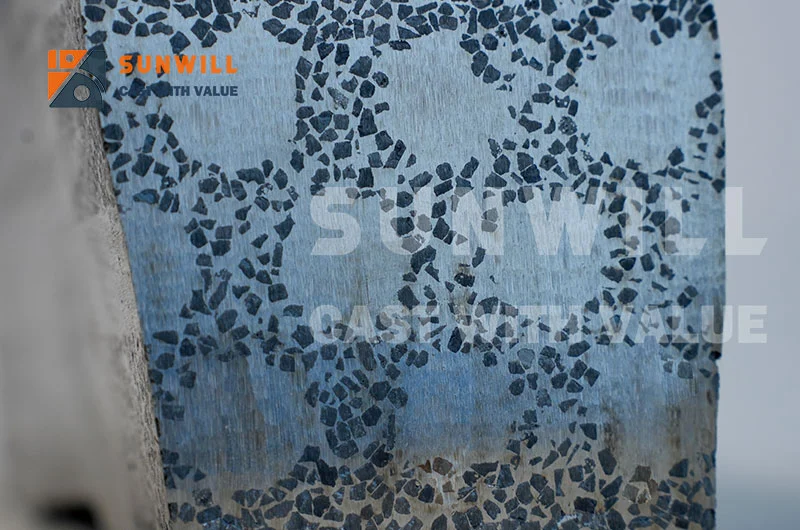
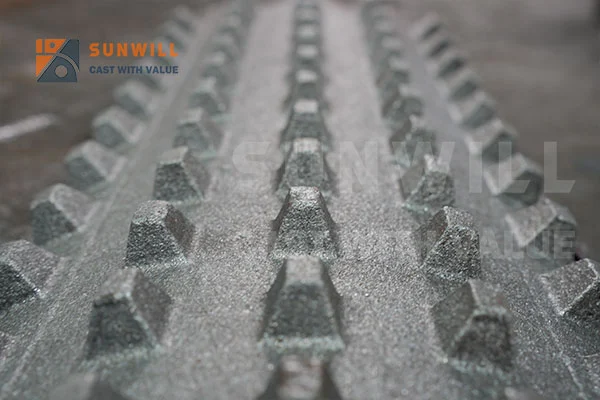
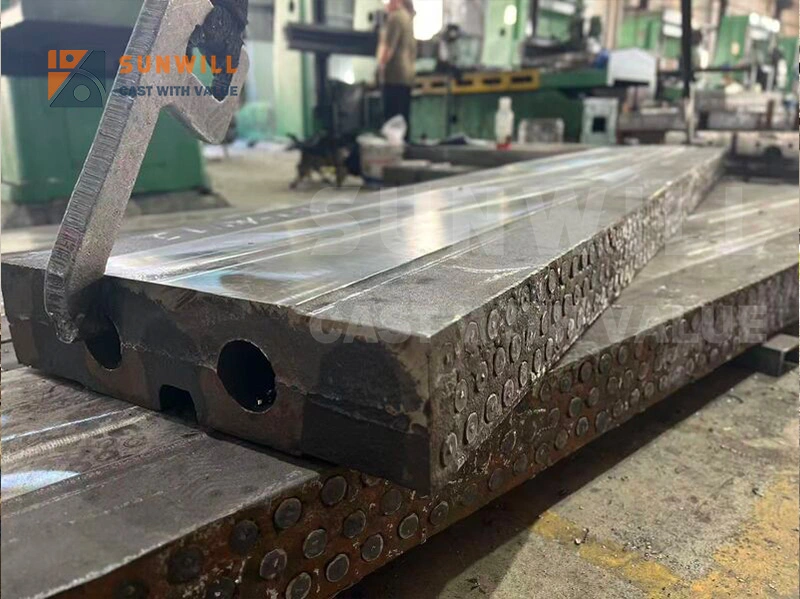
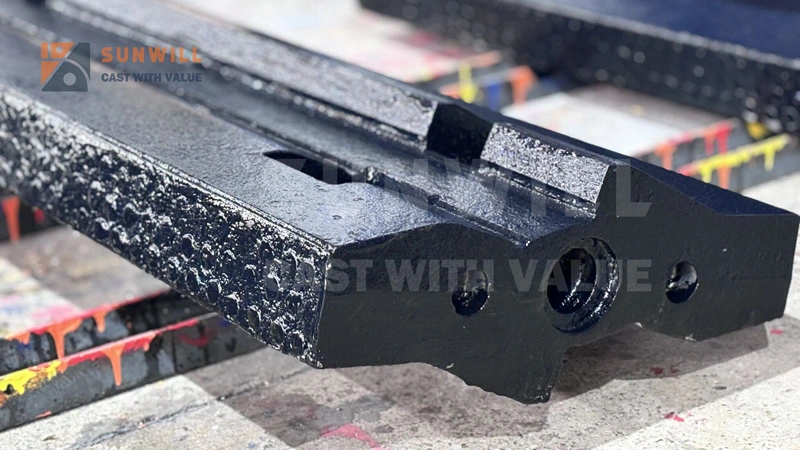
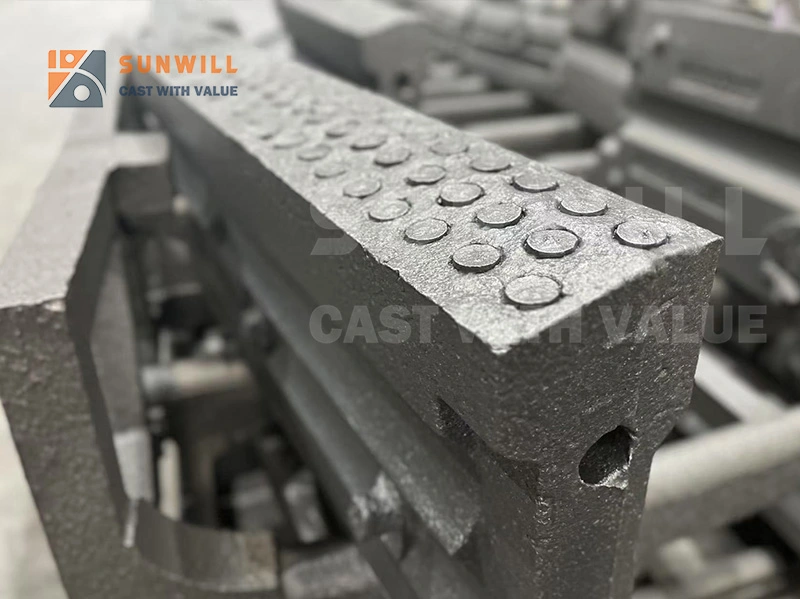
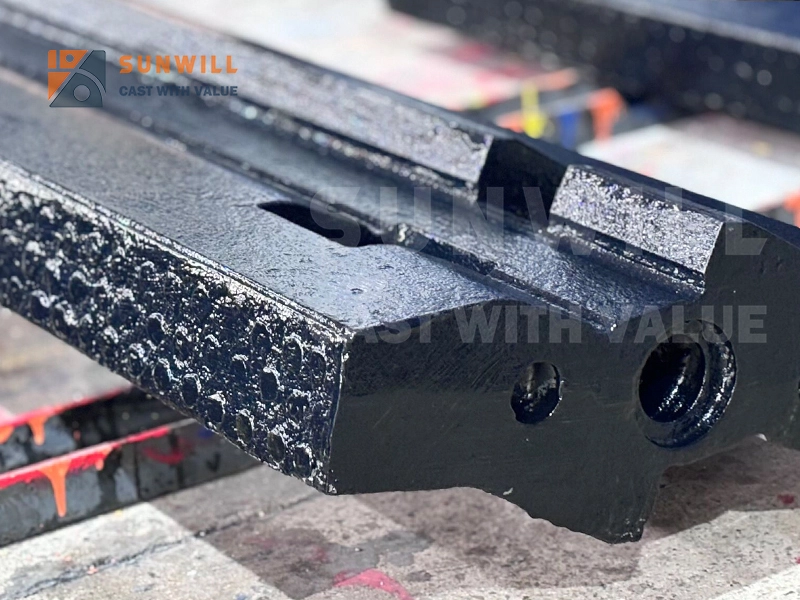
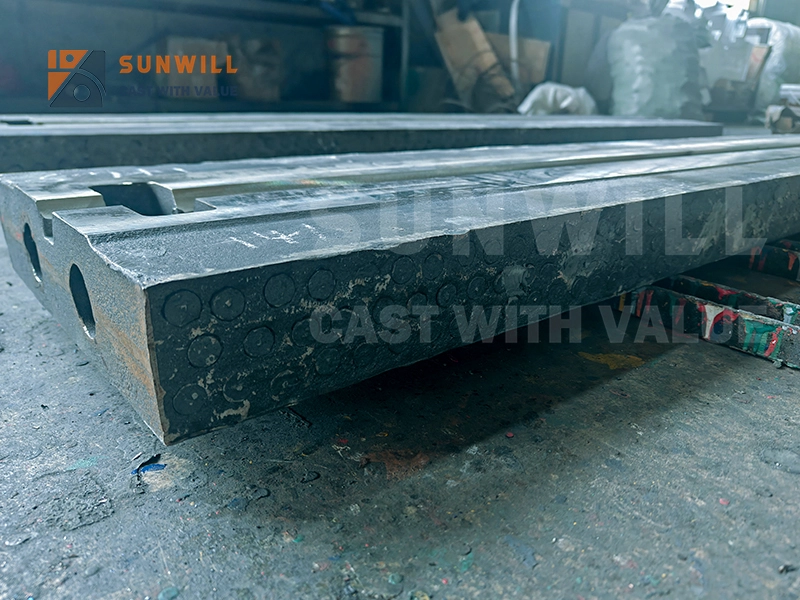
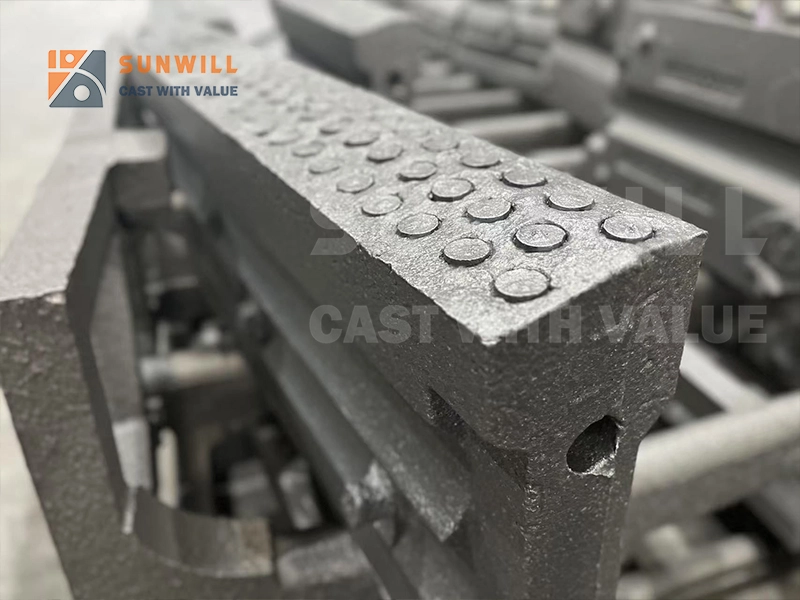
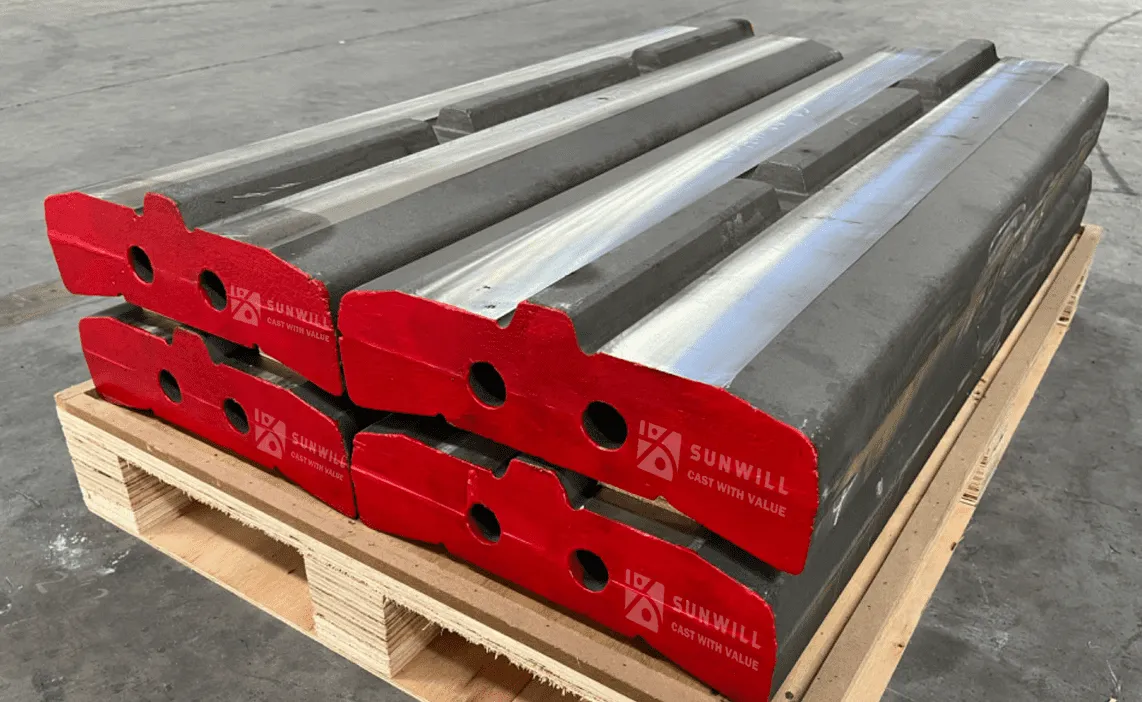
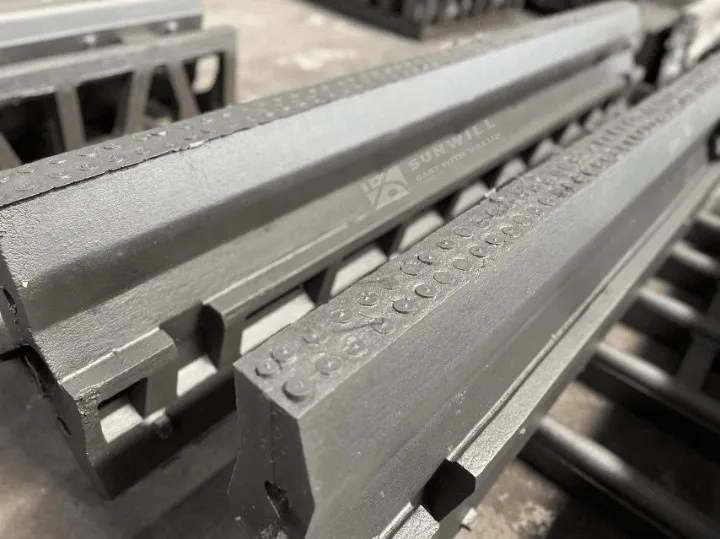
By integrating high-performance ceramic inserts into a premium high-chrome matrix, our 650CC liners provide a hardened, resilient surface engineered specifically to resist the gouging and sliding abrasion characteristic of copper ore.
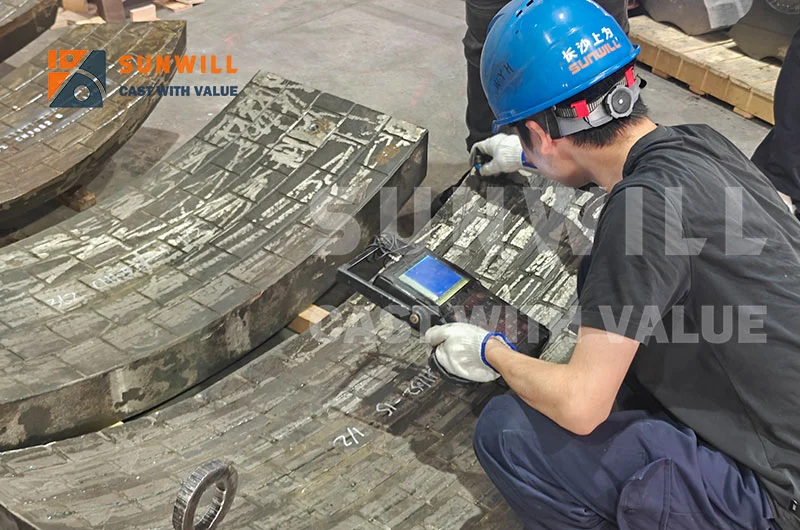
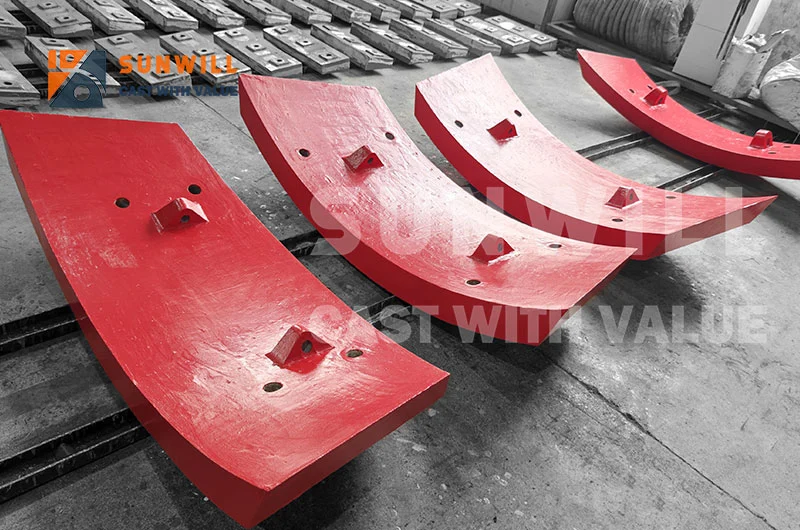
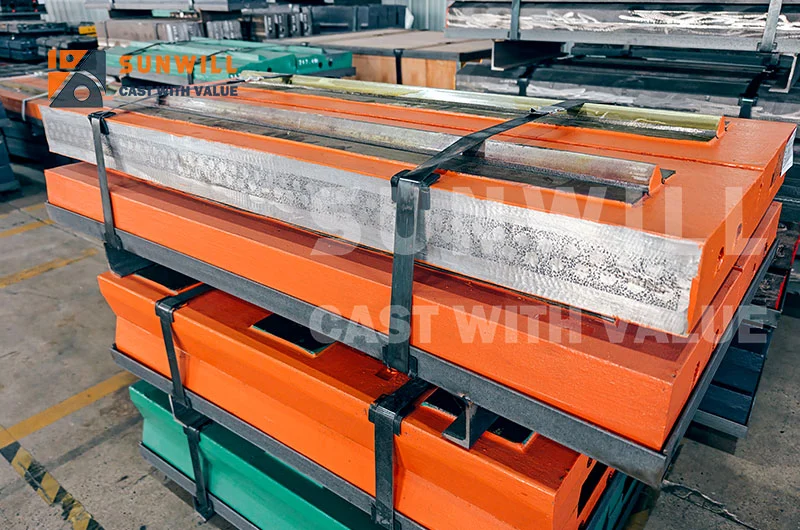
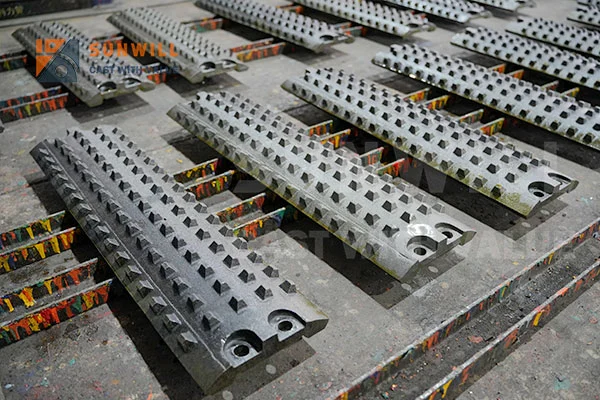
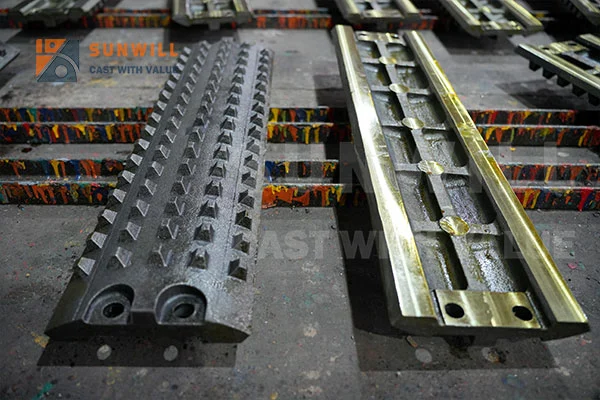
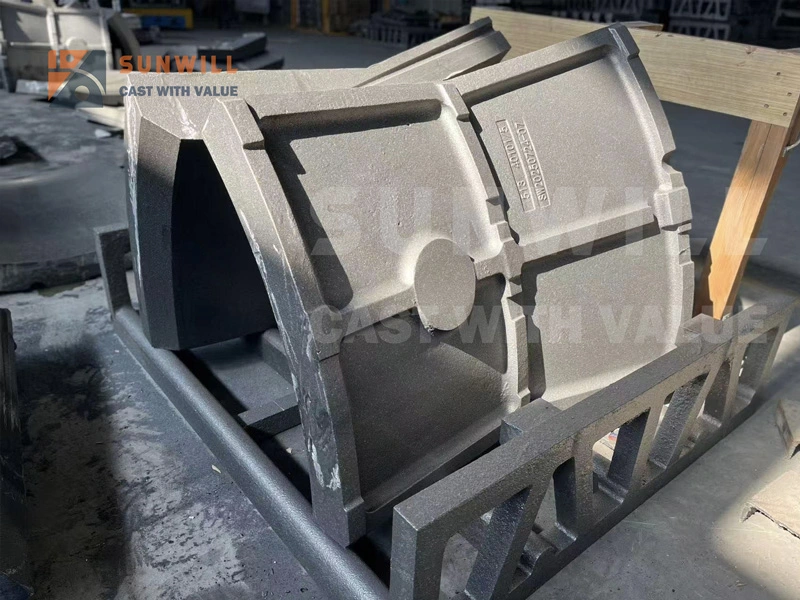
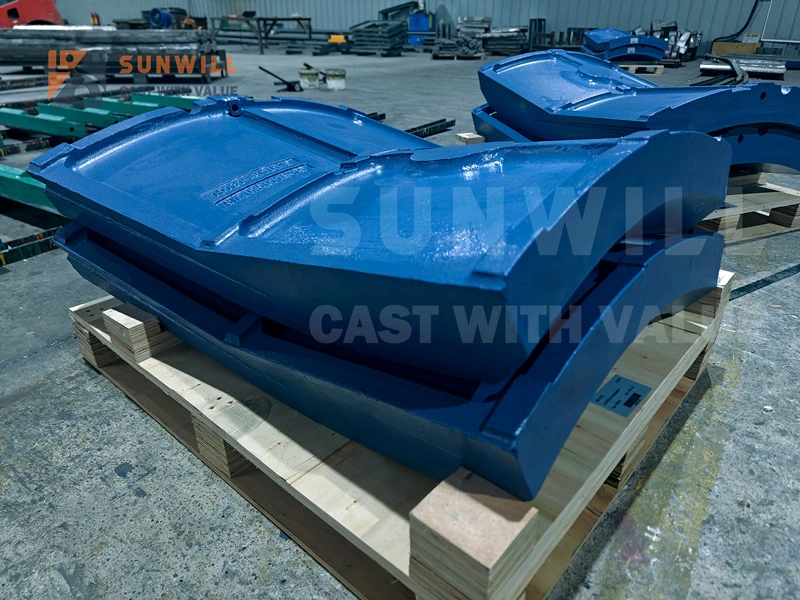
SUNWILL 650CC SAG MILL FEEDER CHUTE LINERS
Proven Results: Doubling Service Life
The impact on the operation was immediate and transformative. According to the performance report from the South Australian end-user:
Service Life Breakthrough: The usage of SUNWILL 650CC liners extended the service life from the previous 5.5–6 months up to 11.5–12 months.
Operational Efficiency: By effectively doubling the wear life, the mine cut its annual replacement frequency in half, significantly reducing labor hours and maximizing equipment uptime.
Cost Efficiency: The transition to SUNWILL’s specialized composite technology directly contributes to a lower Total Cost of Ownership (TCO).
Why Choose SUNWILL for Your Chute Liners?
At SUNWILL, we understand that every mine has unique abrasion challenges. Our 650CC Ceramic Composite liners represent our commitment to material science innovation. Whether you are dealing with SAG mill chutes or other high-wear applications, our solutions are designed to stand up to the most punishing environments on the planet.
Stop settling for standard wear parts that force you into frequent maintenance.
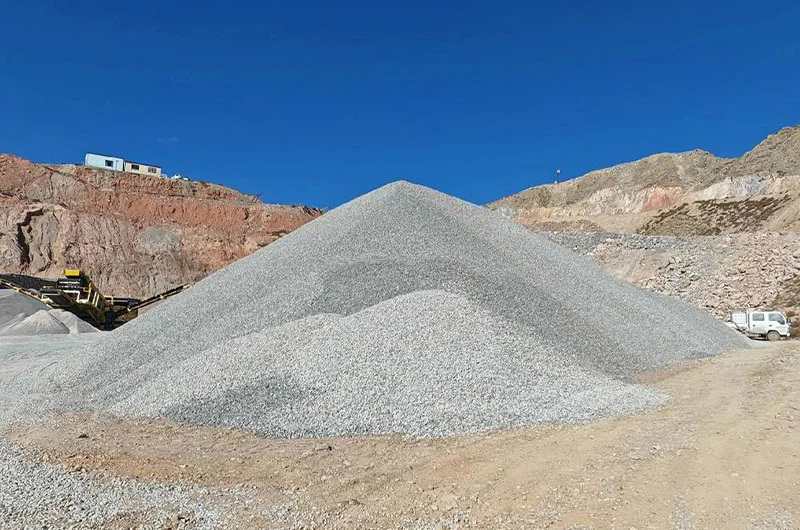
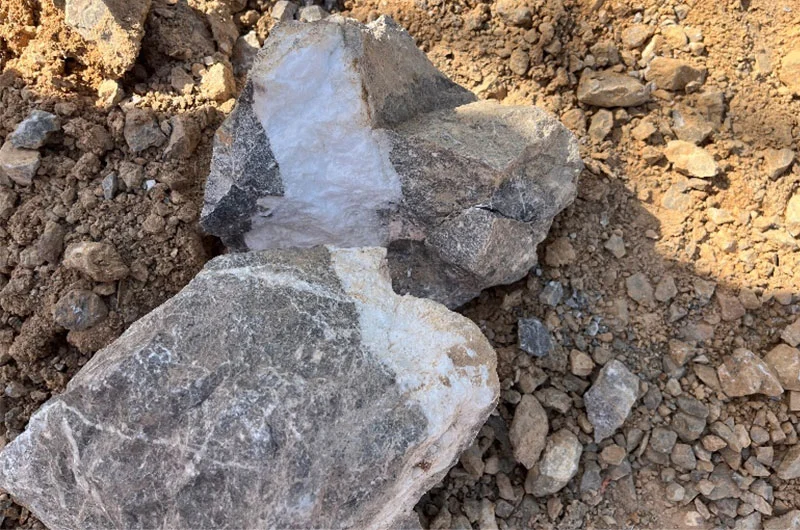
Limestone is a fundamental mineral for the global construction and chemical industries. With global production reaching approximately 3 billion tons, China—particularly regions like Sichuan, Hunan, and Henan—stands at the forefront of the supply chain. However, processing high-silica, high-hardness limestone presents a significant challenge: extreme abrasion.
The SUNWILL Engineering Approach
For a major aggregate producer in Sichuan, standard High Chrome Blow Bars were failing prematurely when processing 100-300mm high-silica limestone. Faced with only 80,000 tons of service life, the operation was constantly plagued by downtime and escalating maintenance costs.
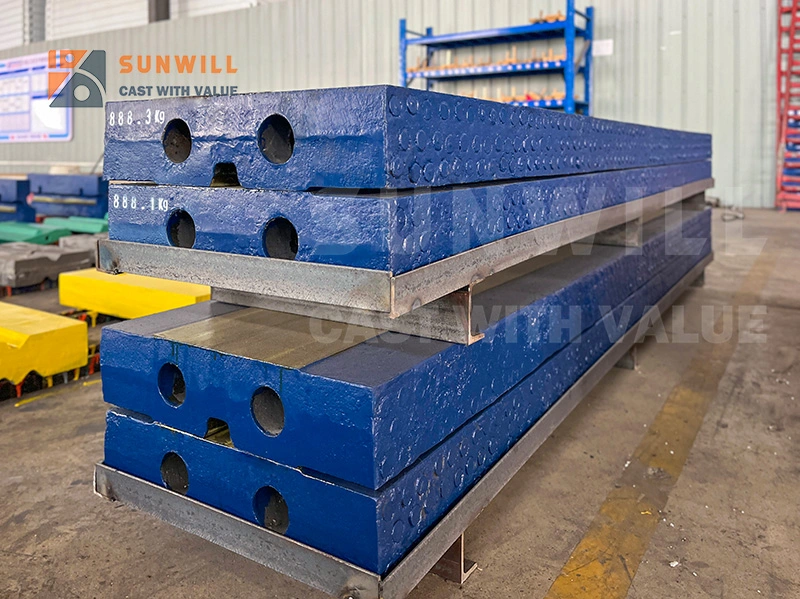
Rather than simply recommending a replacement, the SUNWILL technical team visited the quarry for an in-depth on-site assessment. Our engineers analyzed the specific feed material, evaluated the impact crusher’s current operating parameters, and identified the precise mechanical stressors causing the rapid wear. Back at our R&D center, our team collaborated on a customized technical solution: the SUNWILL 650x Chrome With Ceramic Blow Bar.
Proven Results: A Customer Perspective
The transition to SUNWILL’s high-performance technology yielded immediate results. According to the on-site operations manager:
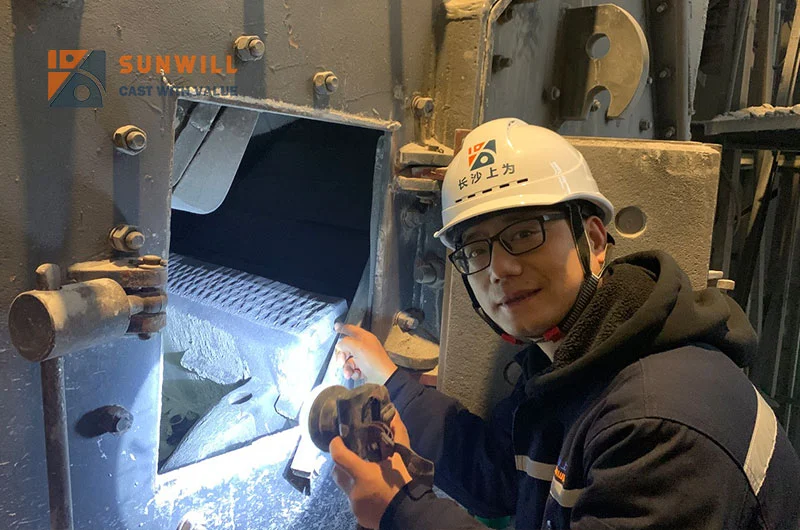
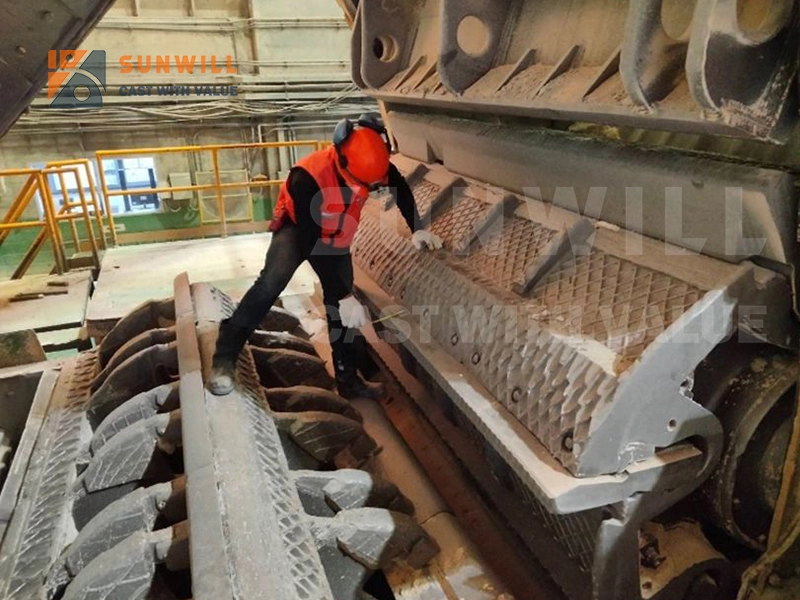
SUNWILL technical team visited the quarry
“The upgrade was a game-changer. We were struggling with the high silica content, but since switching to SUNWILL’s ceramic-inserted blow bars, our production output per set has jumped from 80,000 tons to 210,000 tons. The extended service life has significantly reduced our downtime and maintenance costs.”
Why SUNWILL 650x Ceramic Blow Bars?
By integrating high-strength ceramic inserts into a premium high-chrome matrix, our impact crusher blow bars offer a level of durability that traditional alloys cannot match:
Precision Engineering: Every set is tailored to your crusher’s configuration after a thorough material analysis.
Maximum Wear Resistance: Designed specifically to tackle the cutting action of silica-rich ores.
Cost Efficiency: By extending service intervals, we help you drive down your total Cost Per Ton (CPT).
SUNWILL is more than just a manufacturer of high chrome blow bars—we are your partner in crushing efficiency.
https://www.sunwillmachinery.com/wp-content/uploads/2026/06/5.webp530800adminhttps://www.sunwillmachinery.com/wp-content/uploads/2024/07/logo.webpadmin2026-06-18 14:20:362026-06-18 14:50:43Maximizing Throughput in Hard Rock Crushing: How SUNWILL Ceramic-Inserted Blow Bars Triple Service Life
Toothed roll crushers (tooth roll crushers) are critical in coal processing, mining, quarries, cement, and aggregate industries for crushing medium- to low-hardness brittle materials such as coal, coke, coal gangue, and ore. The counter-rotating toothed rolls deliver shearing force for effective size reduction — yet abrasive feeds accelerate wear on standard segments, causing frequent replacements, prolonged downtime, and increased maintenance expenses.
Sunwill Machinery, a dedicated source foundry specializing in crusher wear parts, engineers toothed roll crusher segments with advanced materials to maximize uptime. Our premium solution: Mn18Cr2 manganese steel segments with Titanium Carbide (TiC) inserts, providing more than 70% wear life extension in primary toothed roll crushers.
Key Materials for Toothed Roll Crusher Segments
Tailored options based on crushing stage and feed conditions:
Mn18Cr2 Manganese Steel — Outstanding impact toughness for high-shock primary applications, though prone to faster abrasion.
Mn18Cr2 + TiC Inserts — Manganese matrix with embedded Titanium Carbide rods/particles in high-wear zones (tooth tips/edges). Wear life >70% longer than standard Mn18Cr2 — dramatically cutting changeout frequency while preserving throughput.
Alloy Steel — Balanced impact and abrasion for secondary crushers.
Chrome White Iron — Highest abrasion resistance for tertiary/fines stages, but more brittle.
Note: TiC gains vary by insert quantity, size, placement, and tooth profile adjustments. We customize for your specific crusher model.
How TiC Inserts Enhance Wear Resistance
TiC creates a composite: ultra-hard inserts (Vickers ~1500–2000 HV) combat abrasive particles (e.g., silica in coal/ore), while manganese steel absorbs impacts and work-hardens to avoid fracture. This excels in primary crushing of abrasive feeds, extending service intervals and reducing cost per ton crushed (CPT).
Industry Benchmarks and Real-World Validation
Industry examples demonstrate the power of TiC reinforcement. In a demanding application at a coal mine in Russia’s Far East (using a leading European-brand roll crusher), standard Mn14 segments lasted only 14 days. Upgrades to Mn18Cr2 achieved 16 days, and Mn18Cr6 reached 21 days. The breakthrough came with Ø14mm x 60mm TiC rods embedded in an enhanced Mn18Cr2 matrix (with molybdenum and rare earth elements for better toughness), plus a flat-top tooth profile. This delivered 39 days of service life — a 178% increase over the original Mn14, surpassing expectations and leading to a bulk order of 35 complete sets (1,680 pieces). Benefits included no cracking or breakage, consistent throughput, stable product size, and major reductions in unplanned downtime.
Sunwill’s >70% extension claim is conservative and based on our internal testing plus customer feedback — ensuring reliable, achievable results across global operations. As a source foundry, we deliver similar performance with full process control for traceability and quality.
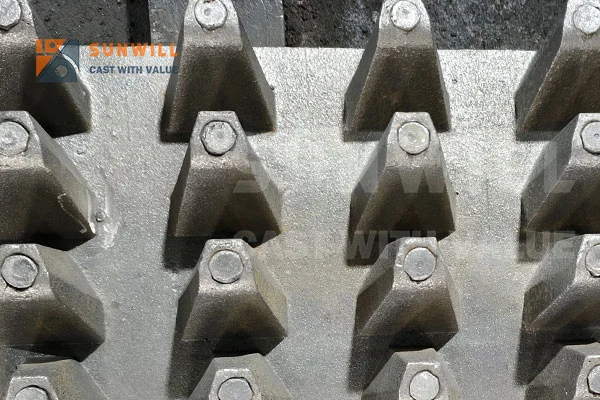
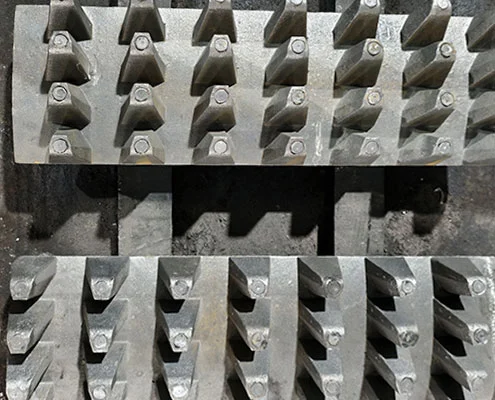
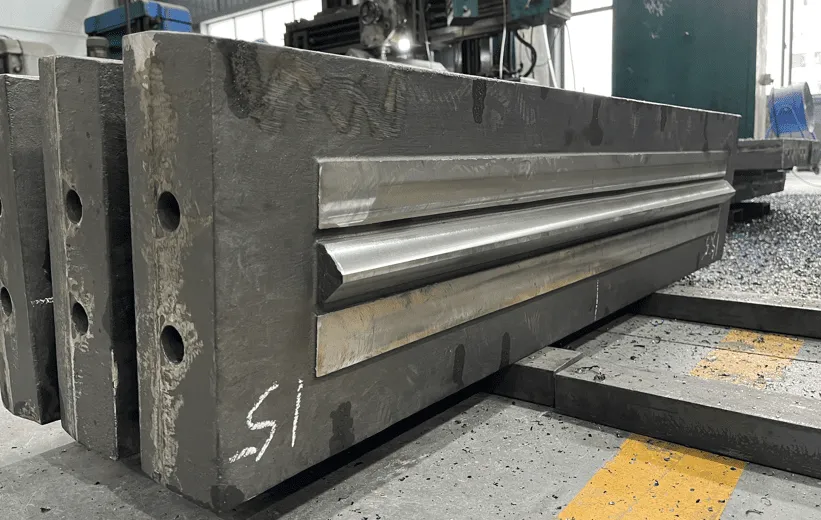
(These show close-ups of TiC-embedded manganese segments — similar to our toothed roll designs with embedded carbide patterns on tooth surfaces.)
Why Choose Sunwill as Your Source Foundry?
Direct Supply — No intermediaries: in-house TiC embedding, casting, heat treatment, and QC for consistent quality and factory pricing.
Custom TiC Optimization — Tailored insert layouts, tooth geometry, and alloys to fit your crusher and abrasiveness.
Fast Response & Trials — Small-batch testing; rapid global delivery.
Quality Standards — ASTM-compliant; hardness, impact, and metallographic testing on every piece.
Proven Results — 20–40% lower downtime and CPT in many coal/mining cases.
Upgrade Your Crusher Performance Today
If segment wear is limiting your operations, contact us for a free consultation, custom TiC proposal, sample, or quote — response in 24 hours.
Email: info@sunwillmachinery.com
Product Page: https://www.sunwillmachinery.com/wear-parts/toothed-roll-crusher-segment
[REQUEST A QUOTE] — Share your crusher model, feed details, and current wear life for personalized advice.
Sunwill Machinery – Source Foundry for Lasting Crusher Wear Solutions. Crush more, replace less!
FAQ
What is the typical wear life improvement with TiC inserts in toothed roll crusher segments?
Over 70% in primary applications vs. standard Mn18Cr2; industry cases show up to 178% in highly abrasive coal feeds.
Is the Russian Far East case applicable to my operation?
Yes — especially for abrasive coal/gangue; we adapt TiC design to match your conditions for comparable gains.
How does Sunwill ensure TiC quality?
Full source foundry control guarantees traceability and performance consistency.
https://www.sunwillmachinery.com/wp-content/uploads/2026/03/Toothed-Roll-Crusher-Segments-6.webp400600adminhttps://www.sunwillmachinery.com/wp-content/uploads/2024/07/logo.webpadmin2026-03-12 11:59:042026-03-12 12:24:21TiC-Inserted Manganese Steel Toothed Roll Crusher Segments: Extend Wear Life by Over 70% – Direct from Source Foundry
When it comes to primary gyratory crushers, the reliability of concave segments is critical. Replacing worn liners is already a costly process, but what’s even more devastating for a mining operation is an unplanned shutdown. Every hour of downtime means lost production, higher maintenance costs, and serious disruptions to the entire processing line.
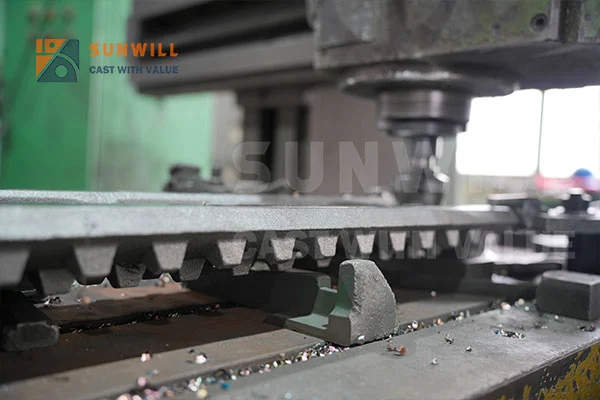
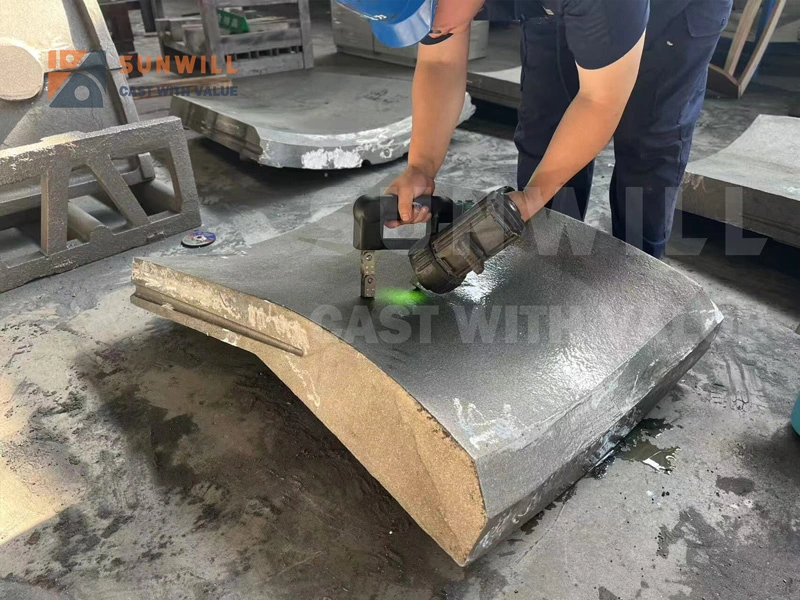
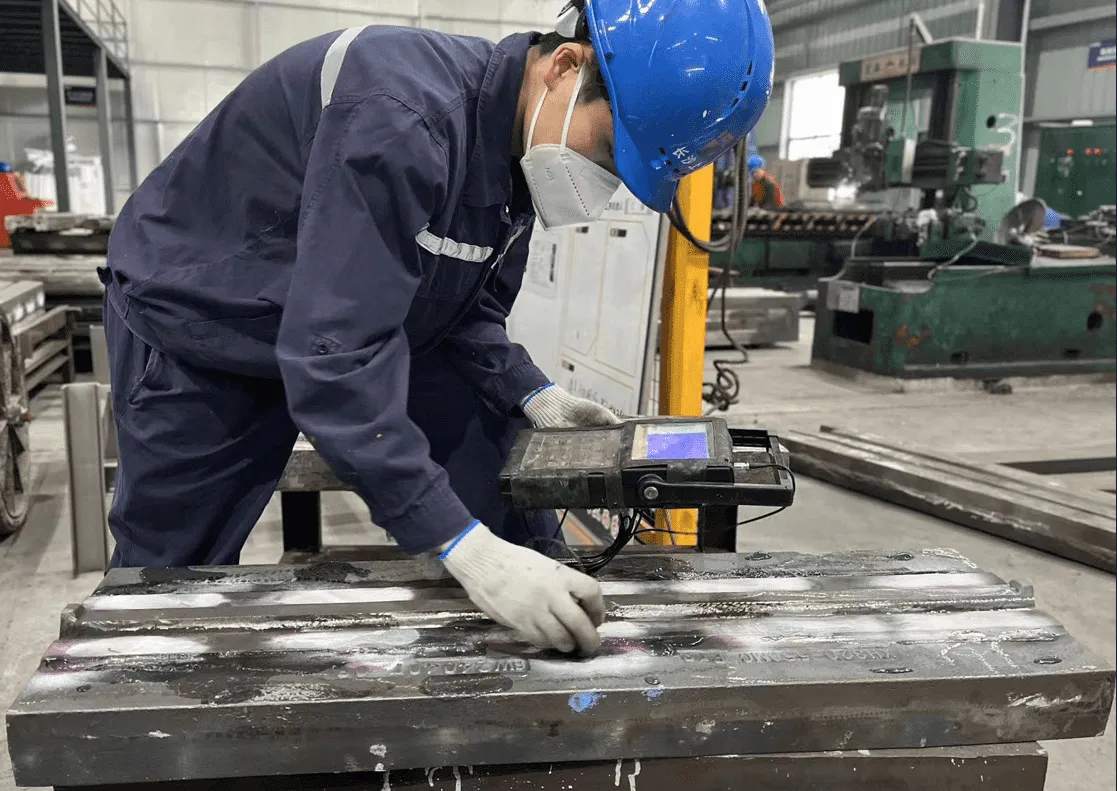
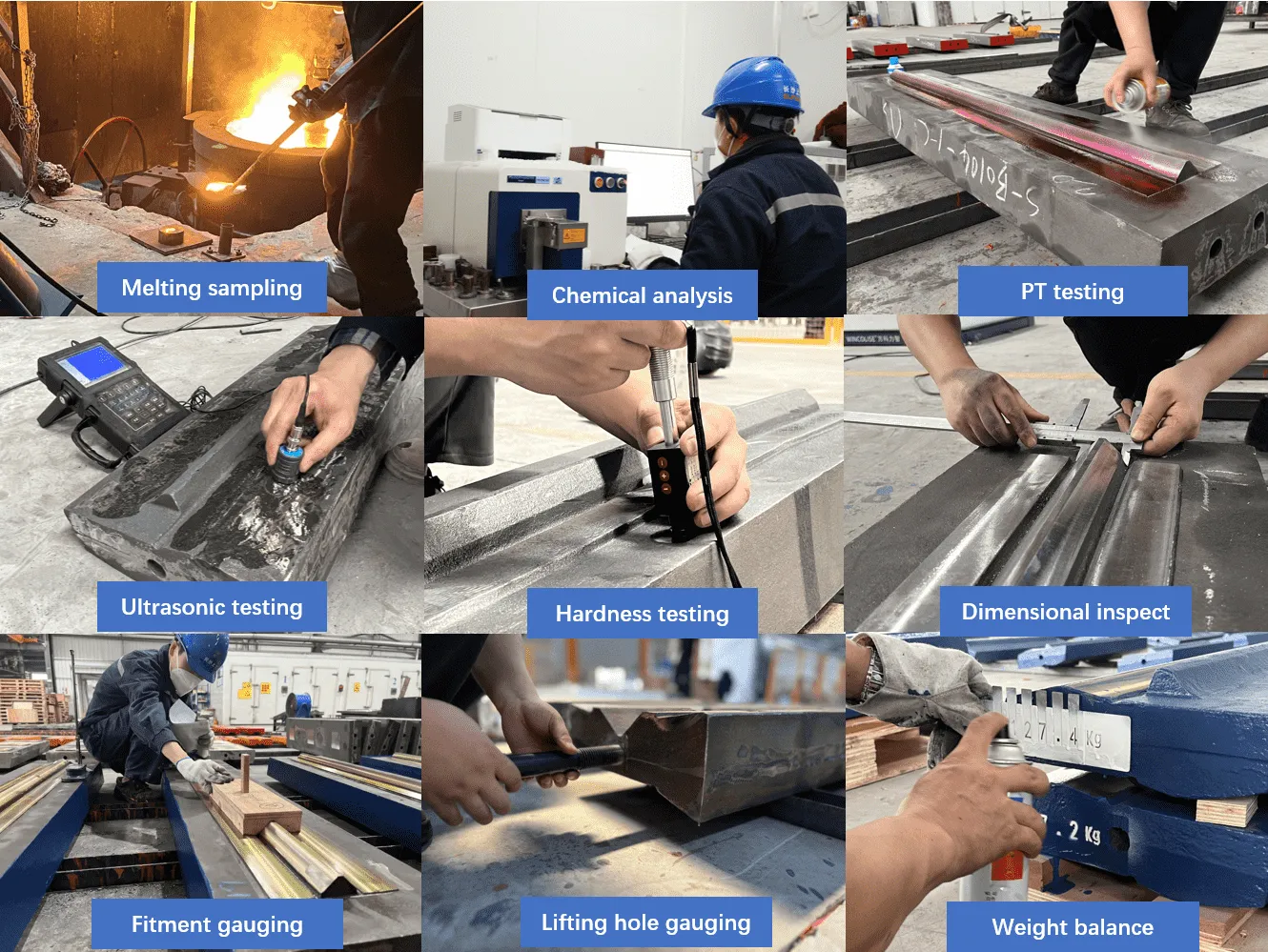
At SUNWILL, we understand that concave segments and mantles are the backbone of a crusher’s performance. That’s why we implement the most rigorous quality control system in the industry. From material selection to precision casting and final machining, every concave liner is produced under strict standards. Before leaving our foundry, each concave segment undergoes comprehensive inspection procedures to ensure perfect fit, correct hardness, and zero hidden defects.
Our alloy steel and customized wear-resistant castings are engineered to withstand extreme impact and abrasive conditions in primary crushing applications. By delivering consistent, defect-free concave liners, SUNWILL guarantees that our mining partners can operate their crushers with confidence and efficiency, avoiding costly breakdowns and maximizing uptime.
Choosing SUNWILL means choosing:
Zero tolerance for defects – every segment inspected before shipment
High wear resistance – alloy steel castings designed for tough conditions
Reliable performance – minimizing downtime and maintenance costs
Trusted partner for mining and aggregates industries
When your production line cannot afford unexpected shutdowns, trust SUNWILL concave segments to keep your primary gyratory crusher running at peak performance.
At Sunwill Machinery, we specialize in producing high-quality Manganese Blow Bars with Titanium Carbides (TiC) Inserts designed for primary impact crushers. These blow bars are engineered to enhance the performance and longevity of your crushers, even under the harshest conditions. While traditional manganese blow bars provide excellent safety and impact resistance, their relatively low hardness often leads to quick wear, especially when handling large-sized feeds.
To address this challenge, Sunwill incorporates Titanium Carbides (TiC) directly into the wear surface of manganese blow bars. The addition of TiC improves the hardness and overall durability, making the blow bars significantly more resistant to abrasion and wear, reducing the frequency of replacements and cutting down on maintenance costs.
Why Choose TiC-Embedded Manganese Blow Bars?
Enhanced Durability: Titanium Carbide (TiC) is known for its extreme hardness, making it one of the toughest materials available for wear applications. By embedding TiC columns into the wear surface of blow bars, Sunwill provides a solution that can withstand the toughest crushing tasks without compromising on safety.
Longer Service Life: TiC-infused blow bars are designed to outperform traditional manganese blow bars. With the added benefit of longer wear life, your crushers will require fewer replacements, reducing downtime and increasing operational efficiency. This translates into substantial cost savings over time.
Superior Wear Resistance: The TiC inserts form a protective layer on the blow bar surface, providing superior resistance to high abrasion and impact. This is particularly beneficial for crushers working in industries like cement, mining, aggregates, and recycling, where high impact and wear rates are common.
Optimized Performance: Our blow bars are designed to ensure consistent performance throughout their lifespan. The TiC columns are strategically embedded to maximize wear resistance without affecting the overall strength of the manganese steel matrix. This ensures that the blow bars retain their structural integrity, even in the most challenging conditions.
Sunwill’s Expertise in Crusher Wear Parts
With more than 20 years of experience in manufacturing premium crusher wear parts, Sunwill Machinery is a trusted name in the industry. Our skilled engineers use advanced metallurgical techniques to embed Titanium Carbide precisely where it will provide the most benefit, ensuring superior bonding and optimal carbide distribution throughout the blow bar.
We understand that crusher downtime can be costly, and that’s why we strive to provide products that deliver both high durability and consistent performance. Whether you’re crushing limestone, basalt, or other hard materials, our TiC-embedded manganese blow bars are engineered to maximize uptime, minimize maintenance, and enhance the overall productivity of your crushers.
Applications of TiC-Embedded Manganese Blow Bars
Cement Industry: Ideal for high-impact, high-abrasion crushing environments.
Mining: Excellent for processing hard ores like iron ore, copper, and gold.
Aggregate: Designed to handle the demands of crushing large quantities of stone and gravel.
Recycling: Perfect for crushing concrete, asphalt, and other recycled materials.
By choosing Sunwill’s Manganese Blow Bars with TiC Inserts, you are not just investing in superior wear parts; you are investing in performance, reliability, and cost-effectiveness. Our TiC-embedded blow bars will help you reduce downtime, increase your crusher’s efficiency, and ultimately improve your bottom line.
Why Sunwill?
Experienced Manufacturers: Over 20 years of expertise in crusher wear parts.
High-Quality Materials: Only the highest grade manganese steel and Titanium Carbides (TiC) are used.
Customized Solutions: Tailored blow bars to meet your specific crushing needs and material types.
Proven Results: Trusted by industries worldwide for high-performance wear parts.
When it comes to limestone crushing in cement plants, primary impact crushers are the first line of defense. But frequent blow bar replacements can severely impact production efficiency. That’s where Sunwill Machinery’s Manganese Steel Blow Bars with Titanium Carbide (TiC) inserts come into play.
Engineered for high impact resistance and exceptional wear life, our blow bars are the ultimate solution for reducing crusher downtime and operational costs.
Why Choose TiC Insert Reinforced Blow Bars?
Traditional manganese steel blow bars wear out quickly when exposed to limestone with high silica content. Sunwill Machinery has developed a breakthrough solution by reinforcing manganese steel with Titanium Carbide inserts, significantly increasing hardness and resistance to abrasive materials.
Our tests show that when crushing limestone with approximately 6% silicon dioxide (SiO₂), Sunwill’s blow bars deliver up to 120% longer wear life compared to standard manganese steel alternatives.
Key Benefits:
Extended Wear Life – Up to 2.2 times longer lifespan than conventional Mn steel blow bars.
Reduced Downtime – Fewer replacements mean more uptime and increased productivity.
Proven Performance – Specifically designed for limestone crushing in cement plant primary impact crushers.
Cost Efficiency – Lower total cost of ownership over the life of your crusher components.
Built for Harsh Conditions
Cement plants demand durability. Sunwill’s TiC insert blow bars are built to handle tough, high-volume crushing applications, maintaining performance even under aggressive wear conditions.
Global Supply, Local Service
As a leading foundry and wear parts supplier, Sunwill Machinery serves global clients with custom-designed blow bars and other high-performance wear parts. Whether you’re operating in Asia, the Middle East, Africa, or Europe, we provide fast delivery and responsive support.
Contact us today to request a quote or free technical consultation. email: info@sunwillmachinery.com
https://www.sunwillmachinery.com/wp-content/uploads/2025/08/未标题-22272.webp600800adminhttps://www.sunwillmachinery.com/wp-content/uploads/2024/07/logo.webpadmin2025-08-04 14:38:092025-08-04 15:24:55Boost Your Crusher Efficiency with TiC Reinforced Manganese Blow Bars from Sunwill Machinery
https://www.sunwillmachinery.com/wp-content/uploads/2025/07/未标题-2222.webp600800adminhttps://www.sunwillmachinery.com/wp-content/uploads/2024/07/logo.webpadmin2025-07-10 08:57:252025-07-10 09:20:36Sunwill Machinery: Leading the Industry in High-Quality Crusher Parts and Foundry Solutions
When it comes to Quality of blow bar, the wear life is always the most considered but also reliability is as same important. A good blow bar should last long and maintain an even wearing face till the end of wear life, at the same time doesn’t break. What is essential to make a good blow bar? Below is the answer.
Correct ingredients of material
This is the basis and foundation of a good blow bar. The elements must be at a correct percentage by weight and the hazard chemicals such as S and P must be as low as possible. Some elements such as Mo and Ni are must be added within a correct range to achieve the targeted property. Also, the scrap content in material should be at a decent grade and not exceed a certain percentage. However, higher grade of material will push up the cost of material and make a big difference on the cost of blow bar.
Correct and good design of casting system
This is always ignored by foundry. A good casting system will maximumly reduce the defects or failures in the casting. This is always relying on foundry engineers’ experience, knowledge and research on metallurgy.
Mold quality and design
A blow bar is born in a mold. A good mold should be robust in material, correct for size and easily operated for molding. As explained above, an integrated mold is always the first choice for reliably creating the blow bar even though is more expensive.
Pouring
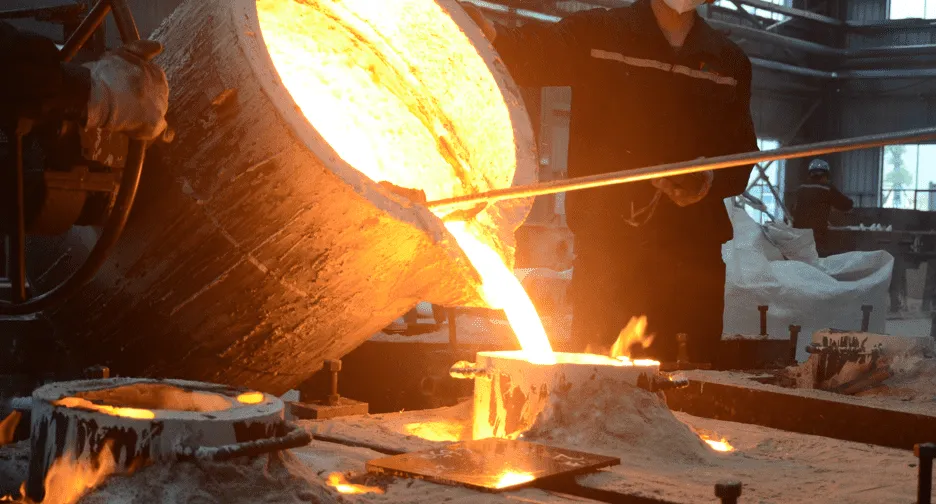
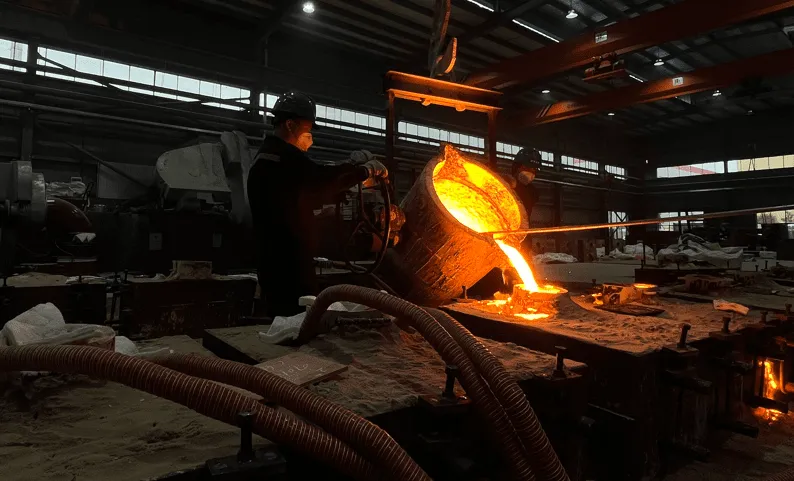
Pouring is not simply dumping the melt steel liquid into the sand flask. A correct pouring with correct speed and precise temperature control is very important to secure the quality of casting. A small error of pouring will lead to big defect or failure inside the casting, especially for the ceramic blow bars which is extremely sensitive to metallurgy and temperature.
Head treatment
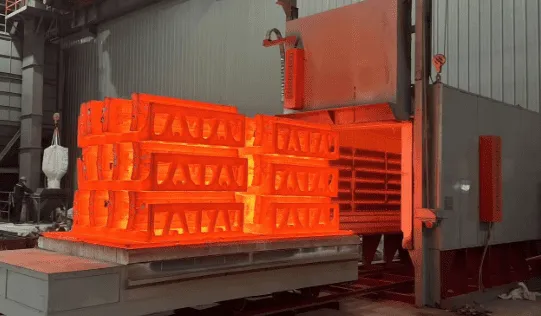
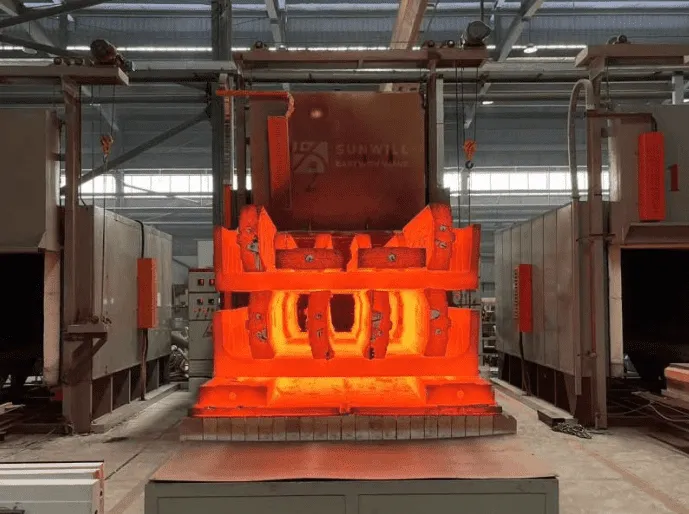
Head treatment shapes the mechanical characteristics of a blow bar. A correct heat treatment will empower the blow bar with excellent anti-wear performance against abrasion as well as good toughness against impact. Heat treatment will make a big difference on the performance of blow bars. Heat treatment is the art of temperature which also heavily rely on the experience, knowledge and operation control of engineers.
Machining
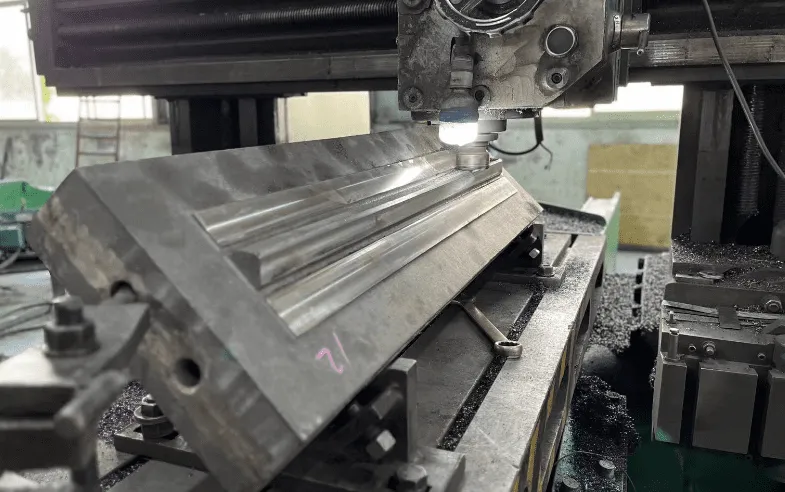
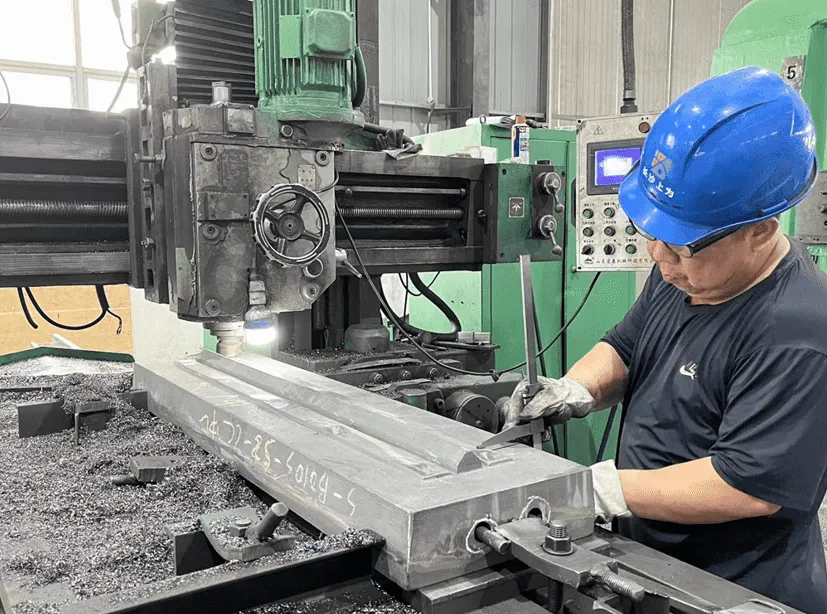
Machining is always difficult on the blow bars as the base material is always hard for milling. A good machining will make the correct fitting size and sufficient contact areas in rotor of impact crusher.
Inspection
In foundry no one is 100% sure that every casting is done perfect. Inspection is the only way to find out the unqualified ones and make sure every piece of blow bar that handed over to customer is in correct size and good quality. Inspection must be carried out everywhere in the whole process of manufacturing.
Foundry management
A high-level foundry management is to get production timely organized, correctly and safely operated, and every product is made in accordance with requirements and with unqualified product is internally rejected. All is all, a high-level managed foundry is more likely to get quality secured and reliable in a long time.
Quality is not simply created by using the good material. It’s a combination of all above and more factors. To make a good blow bar, all things must be done 100% correct.
https://www.sunwillmachinery.com/wp-content/uploads/2024/10/图片26-1.webp492785adminhttps://www.sunwillmachinery.com/wp-content/uploads/2024/07/logo.webpadmin2024-10-09 16:06:462024-10-10 10:31:34What makes a difference on Quality of impactor blow bars.
Blow bar is the essential wear parts for impact crusher (HSI). Normally the blow bars are made by casting in foundry in a few types of alloy steel below to suit the various working conditions of crushers.
Chrome steel
Feature: excellent wear resistance but brittle.
Typical applications: secondary or tertiary crushing with abrasive and small size feed and no tramp goes iron into feed.
Chrome steel matrix with ceramic honeycomb inlaid
Feature: an upgraded chrome steel blow bar with better wear performance but same brittleness.
Typical applications: where the chrome steel blow bars are used.
Martensitic alloy steel
Feature: lower wear performance but tougher than chrome steel
Typical applications: concrete recycling crushers or crushing with large feed or a little tramp iron content.
Martensitic alloy steel matrix with ceramic honeycomb inlaid
Feature: an upgraded martensitic steel blow bar with better wear performance but same toughness.
Typical applications: where the martensitic alloy steel blow bar is used.
Manganese steel
Feature: the lowest wear performance but toughest
Typical applications: primary limestones crusher or crushing with largest feed or big tramp iron into feed.
Manganese steel with Titanium carbide columns inserted
Feature: an upgraded manganese steel blow bars with better wear performance but same toughness.
Typical applications: where the manganese steel blow bar is used.
Customized steel
Feature: special chemicals or mechanical property for specific working conditions.
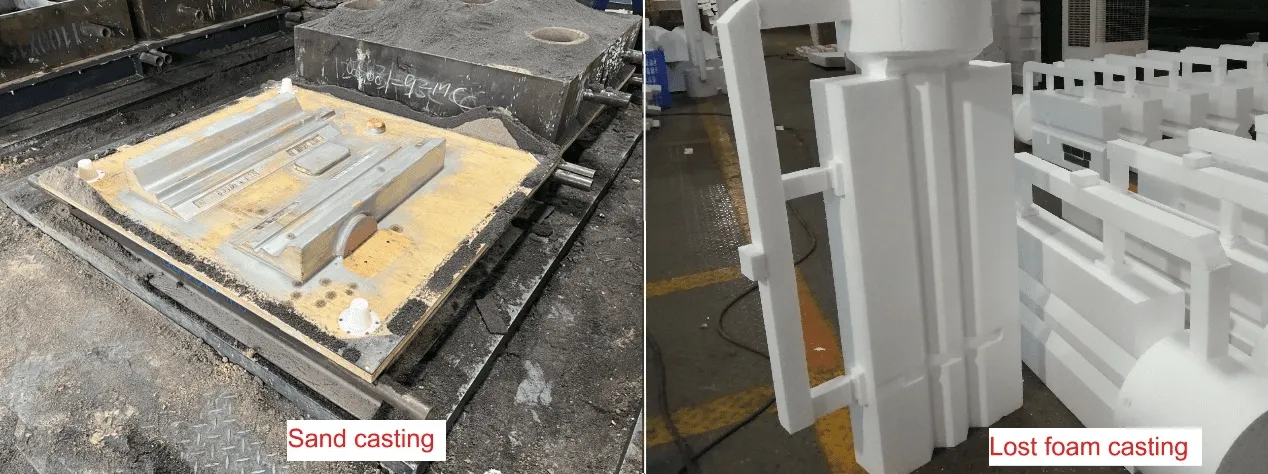
Blow bars are always made with sand casting started from a timber or steel mold. Some foundry makes it with lost-foam casting from a pattern cut from foam. Normally the blow bars made by sand casting have better metallurgy quality and finer finishing but the cost is relatively higher than blow bars made from foam casting. Blow bars made in martensitic steel must be made by sand casting because it has a lower carbon content and very sensitive in metallurgy, while the foam casting will have a big contamination in the metal from the foam burning.
Below is the manufacturing process of blow bars made by sand casting:
Mold/Pattern preparation.
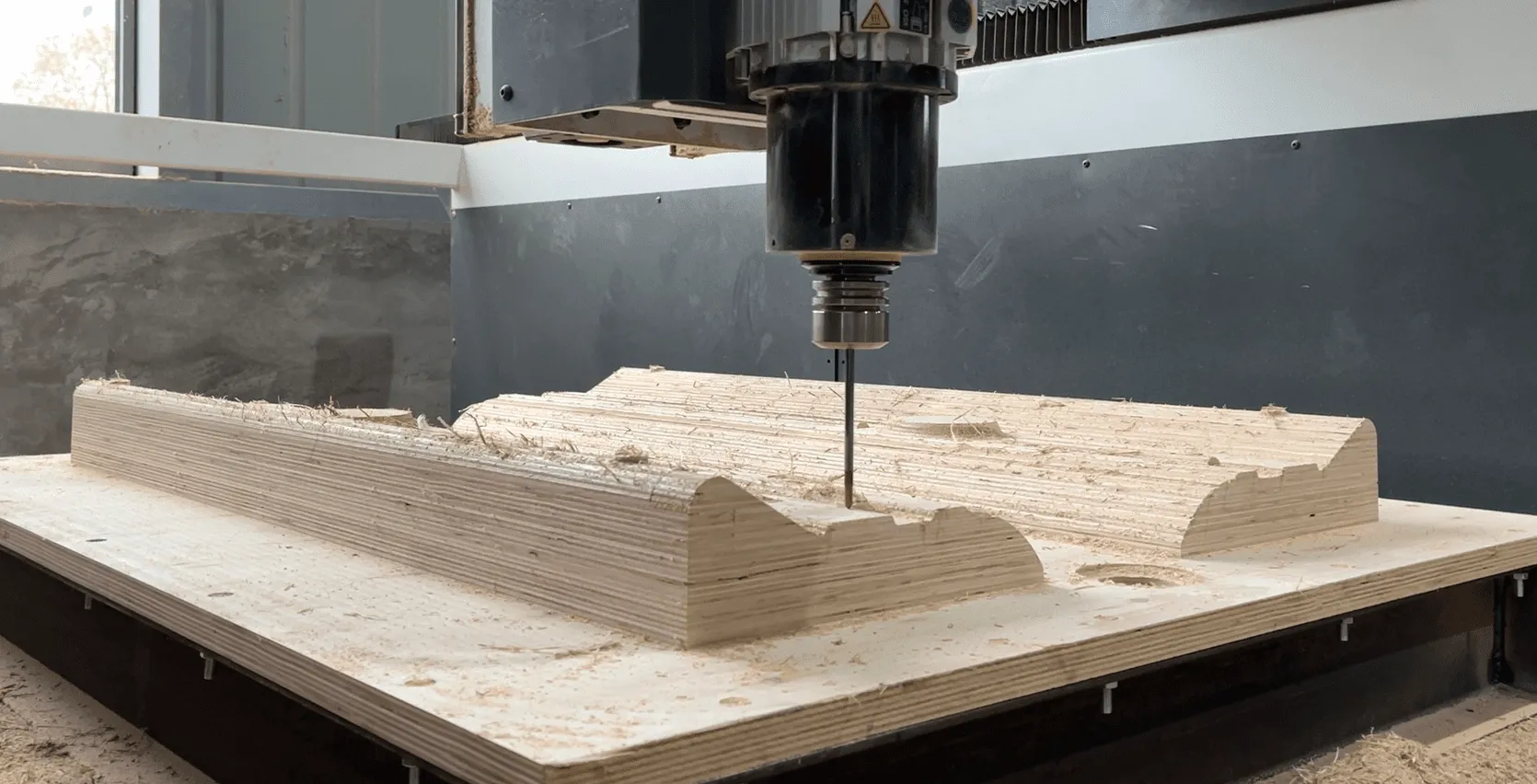
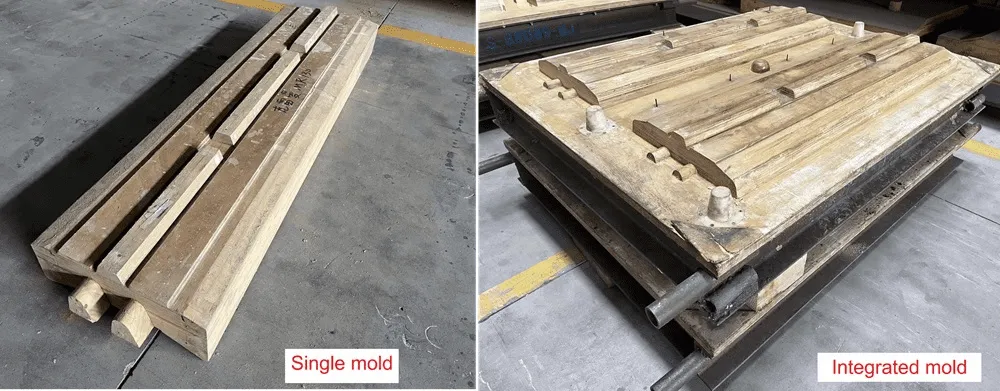
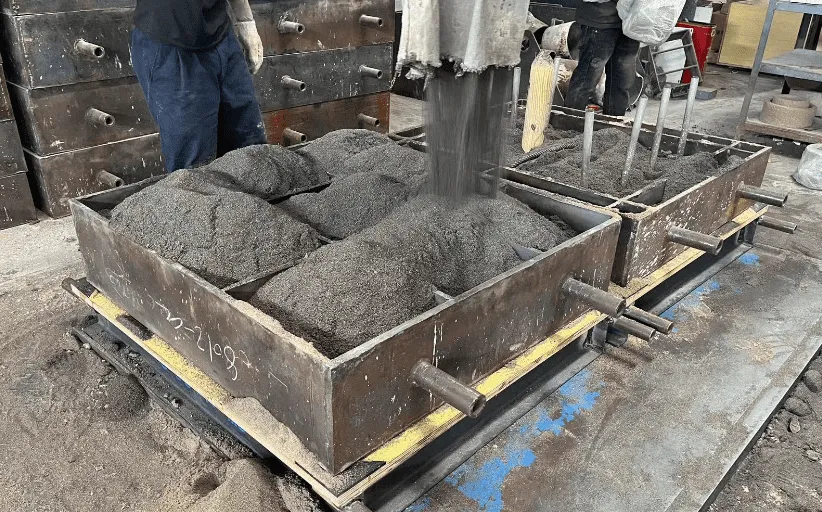
The blow bars mold is normally made from timber and created by CNC machine. The molds are generally sorted in two types – single mold & integrated mold. The single mold is just the core part of casting created, while the integrated mold is a whole casting system created including the holding frames and positioning pins. The integrated mold is more expensive than single mold but it is more friendly for operation and more reliable for the pattern quality.
Molding
A blow bar pattern is created in the sand flask with the mold. After a series of processing including cleaning, coating and drying, the pattern is ready for pouring. In addition, the ceramics or titanium carbides are fixed in the pattern if it is a ceramic or Tic inserted blow bar.
Pouring
The raw materials are mixed up and melt in the furnace. Many types of chemical additives are added and some physical measures is necessary to purify the metal liquid. Before and during pouring the temperature of steel liquid must be precisely controlled and pouring must be continuous for a blow bar. Also, the samples of metal must be prepared for every melting for chemical analysis and traceable records.
Cleaning
After the casting is cooling down and solidified, the sands, ingates and risers on blow bar billet is cleaned and removed.
Heat treatment
The blow bar billets are treated with several loops of heating up and cooling down to get the proper mechanical properties. Heat treatment is a crucial part to secure the quality and performance of blow bars. The temperature and heating time must be precisely set based on the material and size of blow bar, and rate of heating and cooling also must be correct.
Grinding and machining
Heat-treated blow bars are blasted and ground with the burrs and edges removed. The blow bar must be carefully ground to avoid any cracks due to grinding heat. Machining on the fitting areas on some types of blow bar must be done to ensure it is straight and flat for fitment in rotor of crushers.
Coating and packing
Blow bars are always coated for anti-rust purpose also in different color for materials identification. Robust and seaworthy package is also necessary for the final packing.
Inspection
Inspection is an important part of blow bar manufacturing. Inspection must be in place in every procedure of manufacturing from raw materials to final packing, including chemical analysis, surface defect, inner quality, dimension, hardness, microstructure, toughness, finishing, color, labeling and more if necessary.
Foundry management
A high-level foundry management is to get production timely organized, correctly and safely operated, and every product is made in accordance with requirements and with unqualified product is internally rejected. All is all, a high-level managed foundry is more likely to get quality secured and reliable in a long time.
Quality is not simply created by using the good material. It’s a combination of all above and more factors. To make a good blow bar, all things must be done 100% correct.
https://www.sunwillmachinery.com/wp-content/uploads/2024/10/图片29.webp514689adminhttps://www.sunwillmachinery.com/wp-content/uploads/2024/07/logo.webpadmin2024-10-09 15:39:022024-10-09 15:43:29How is impact crusher blow bar made & What makes a difference on Quality?